I Bear the Fruit of My Ancestors
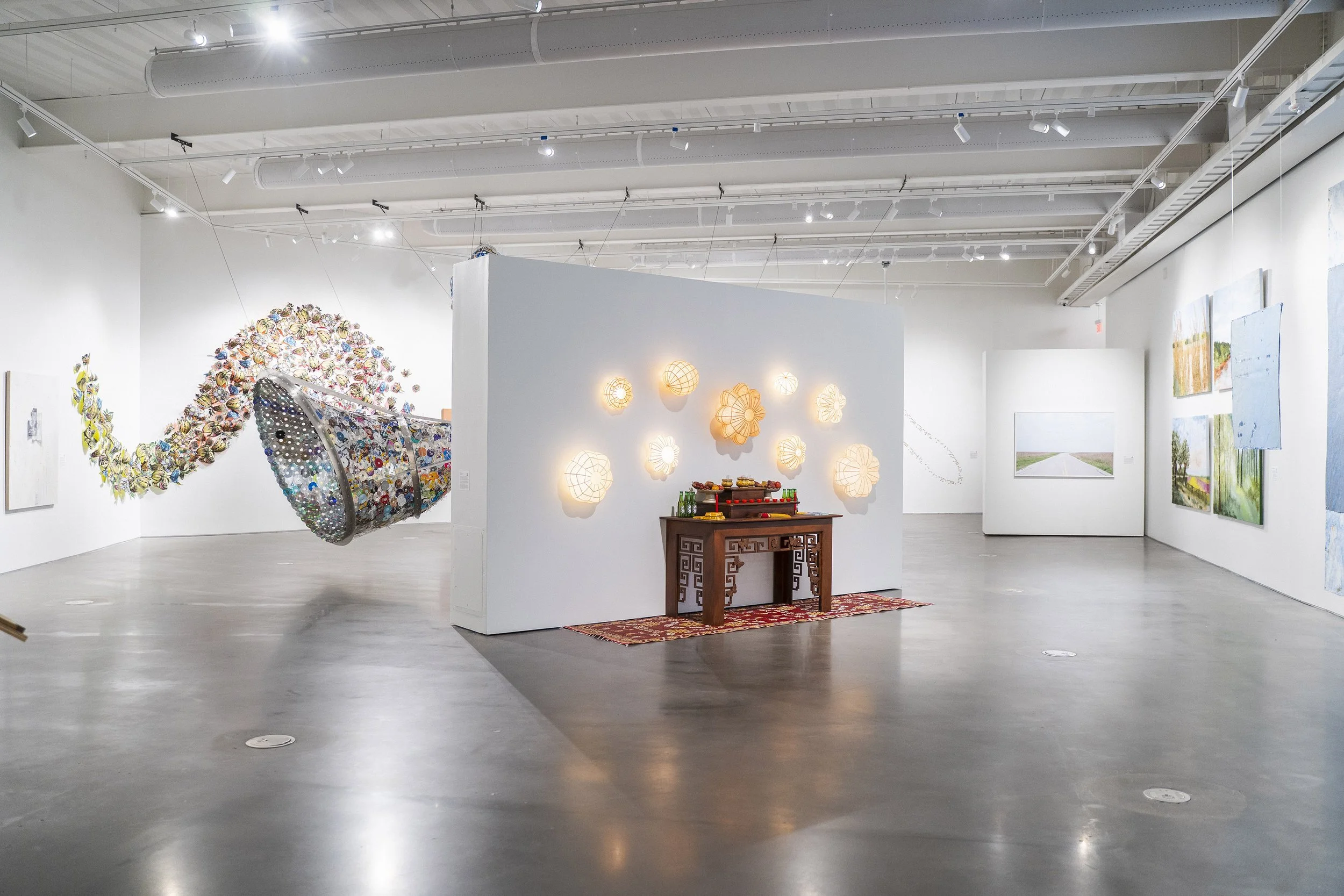
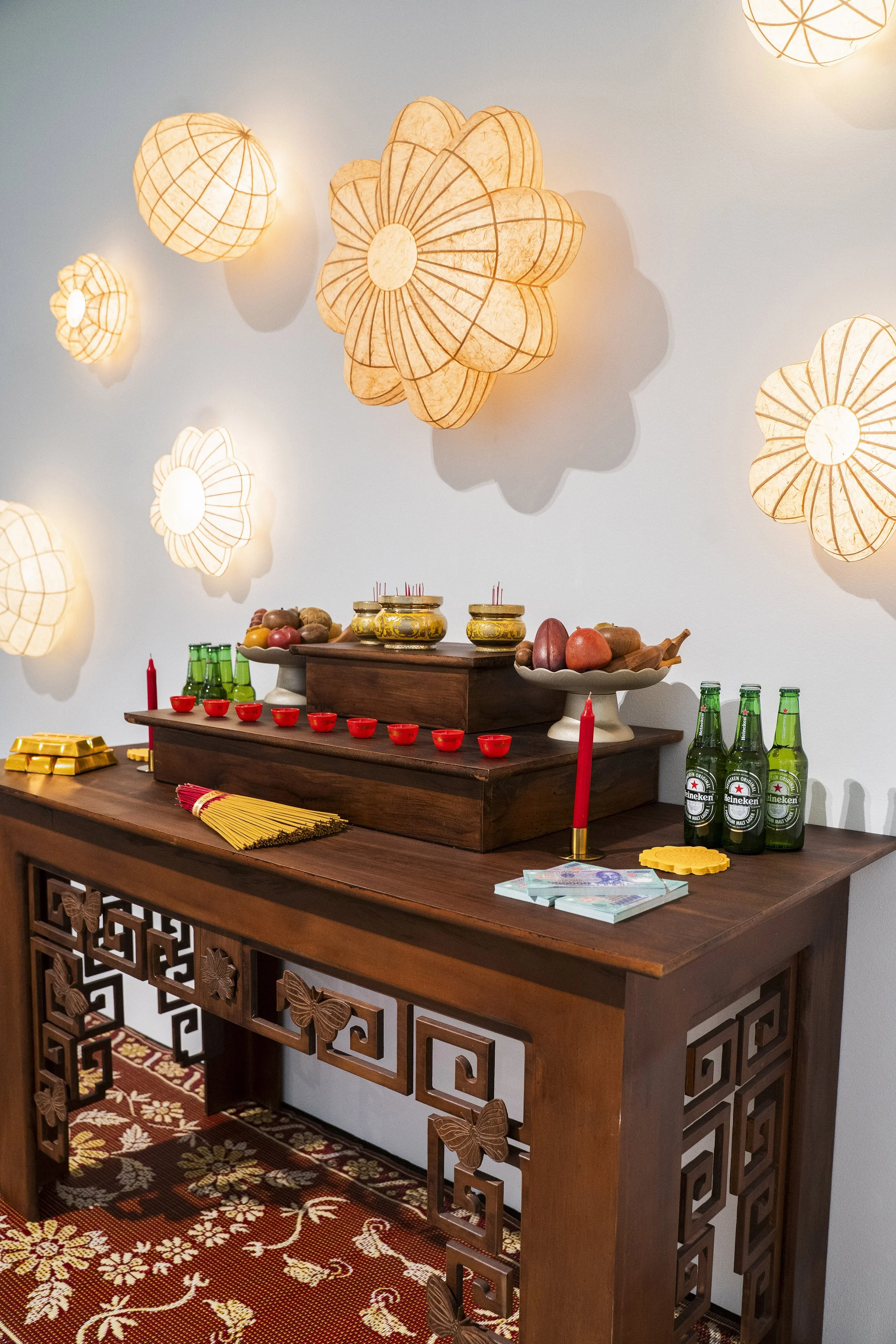
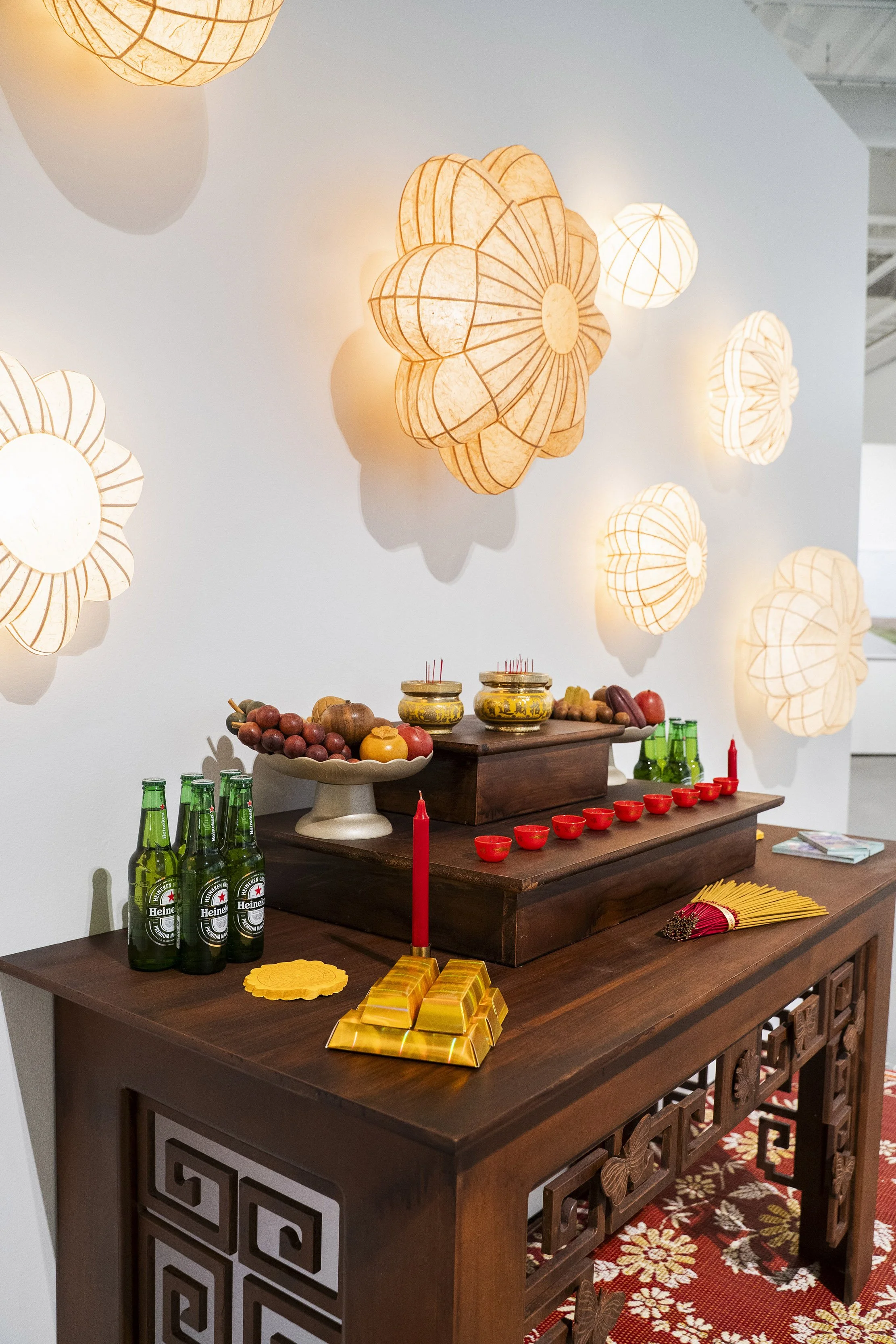
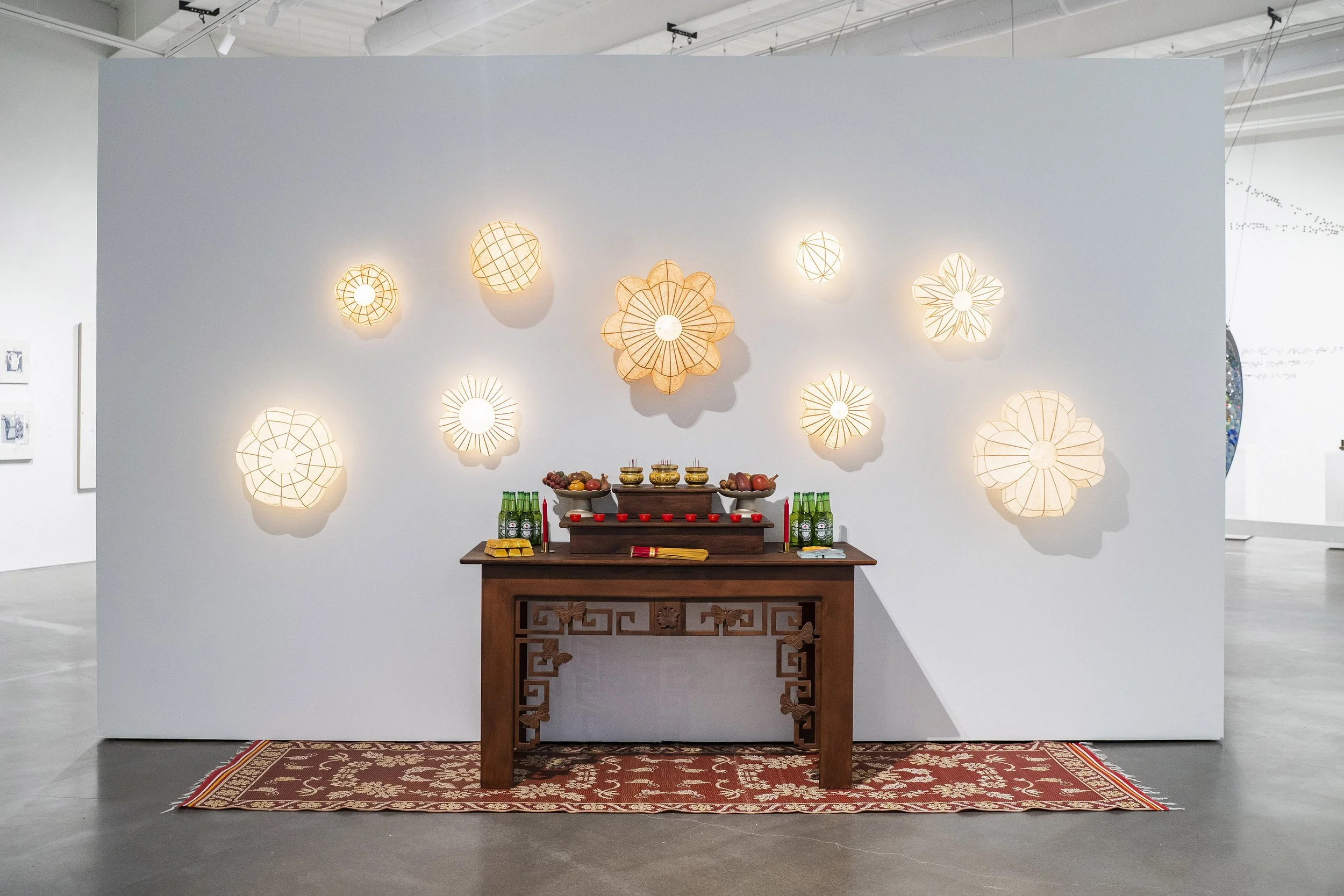
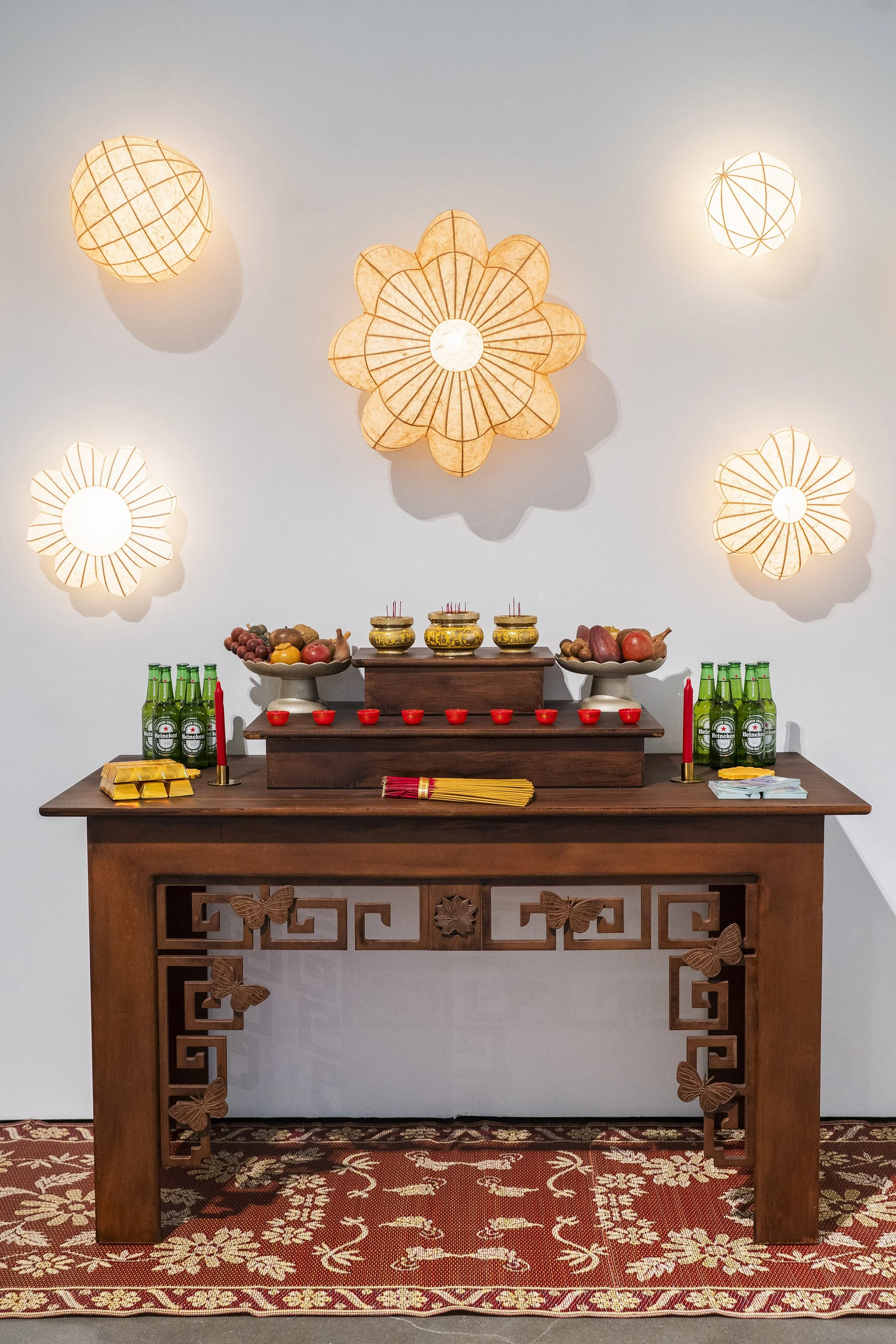
Installation at Oklahoma Contemporary for ArtNOW 2025
(featuring rice paper, wooden reed, joss paper, incense, carved wooden fruit, custom altar table, woven rug)
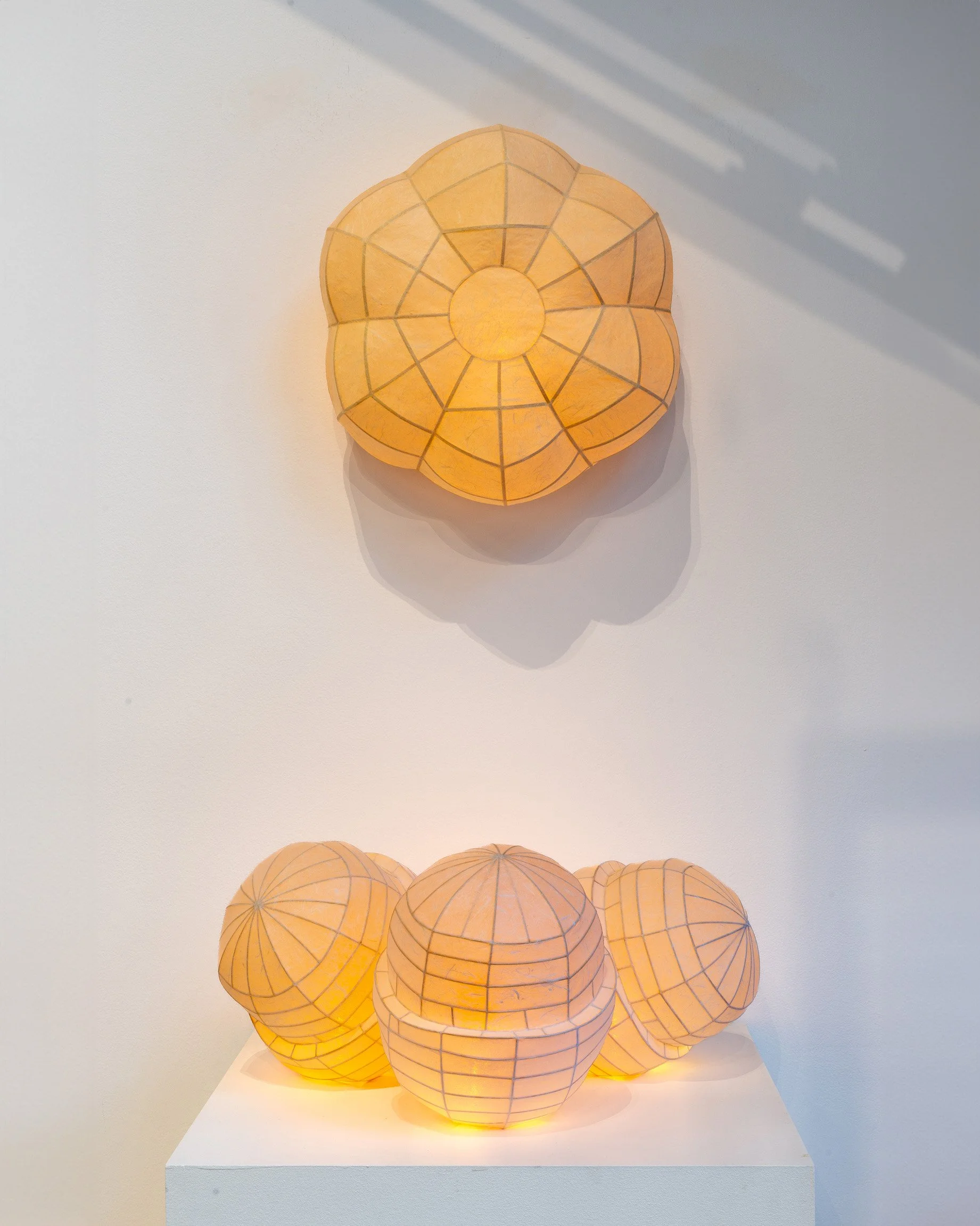
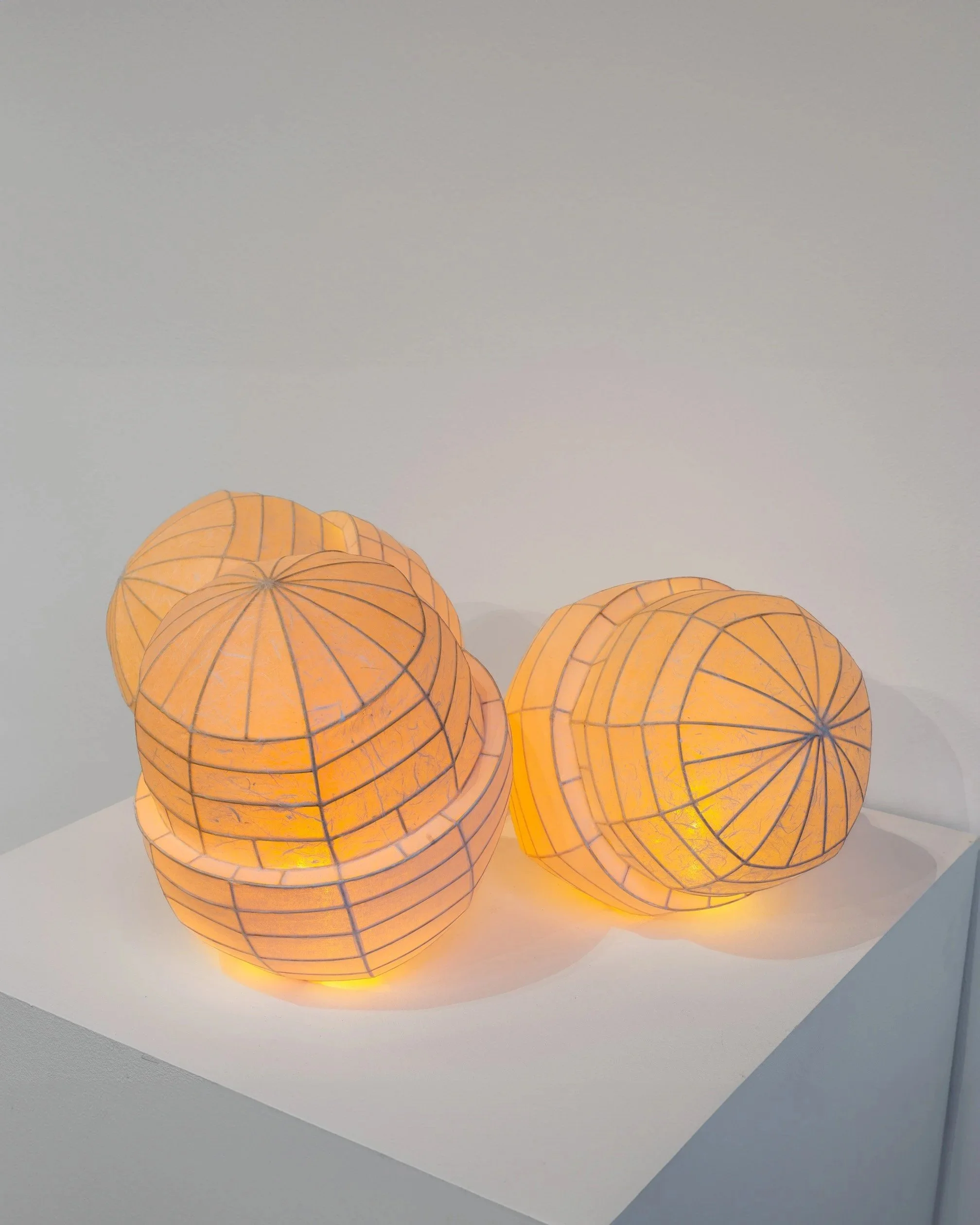
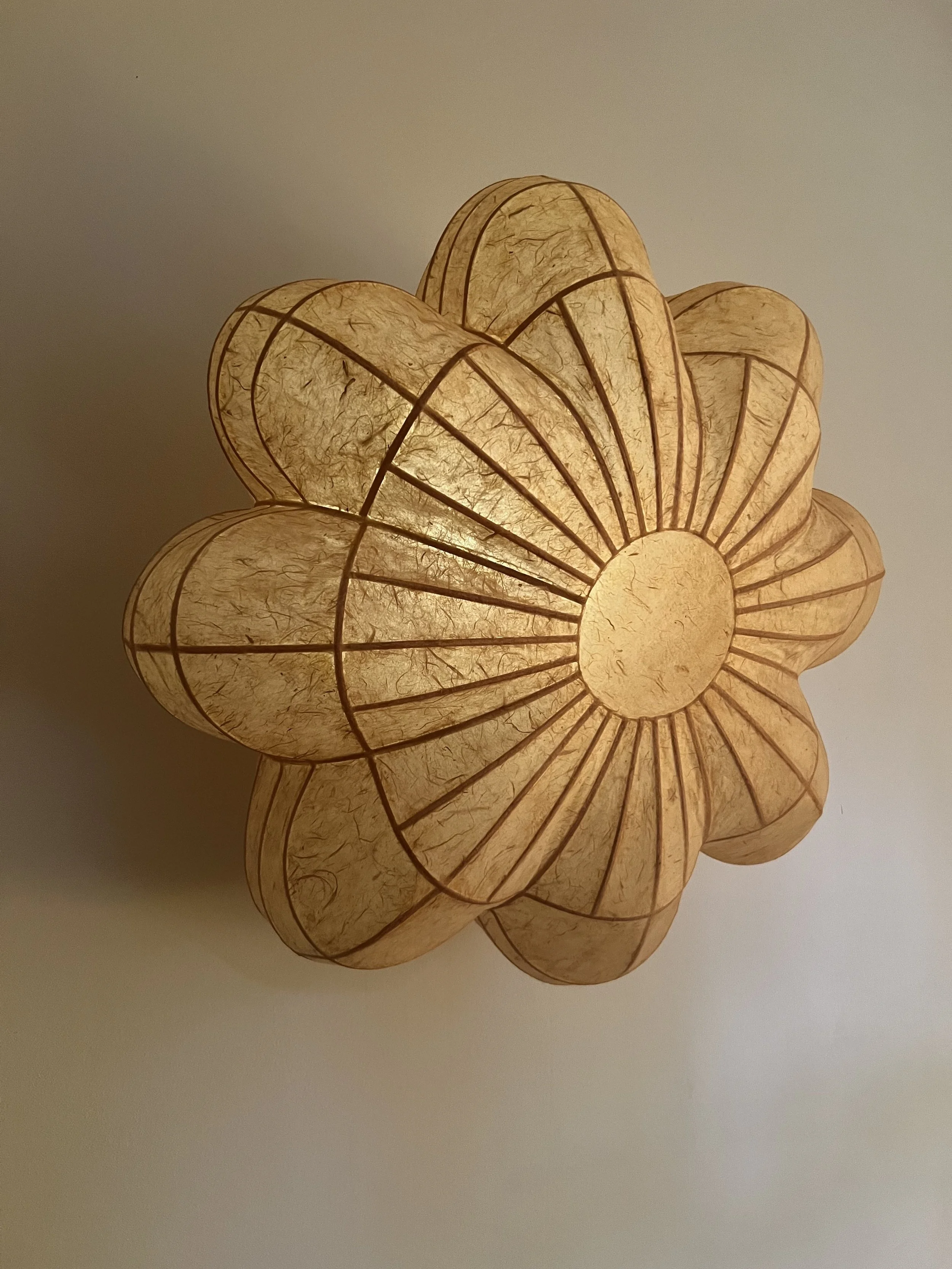
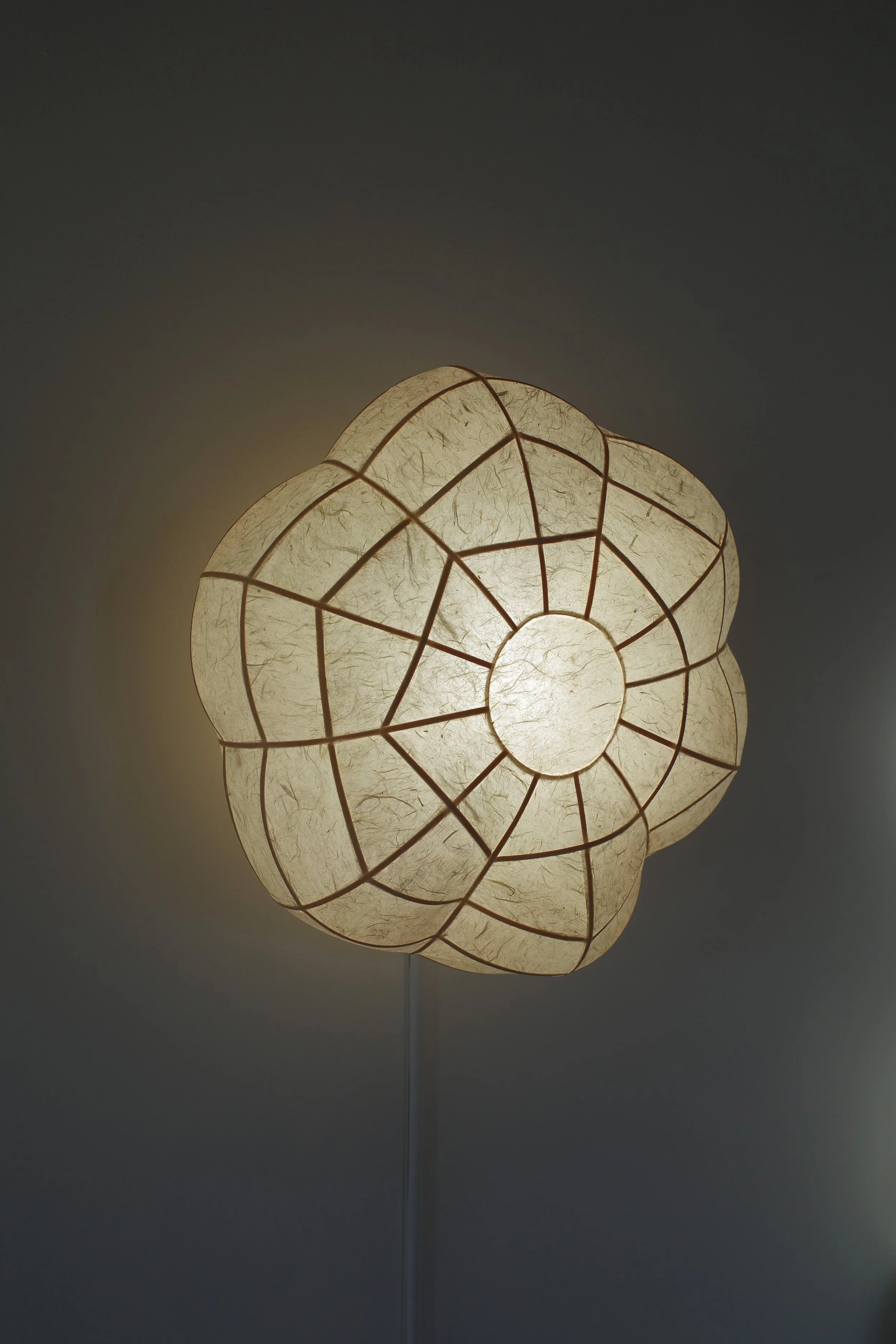
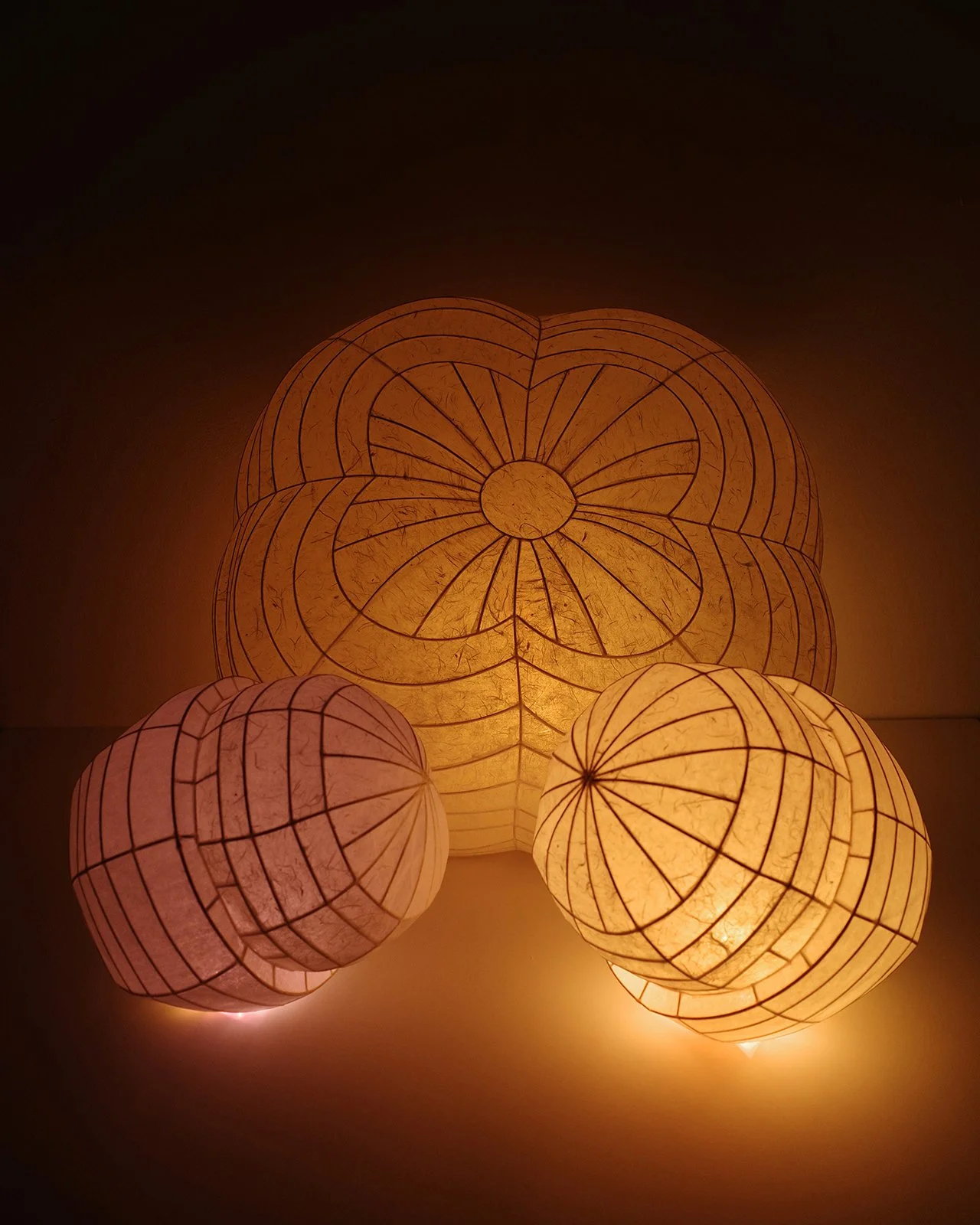
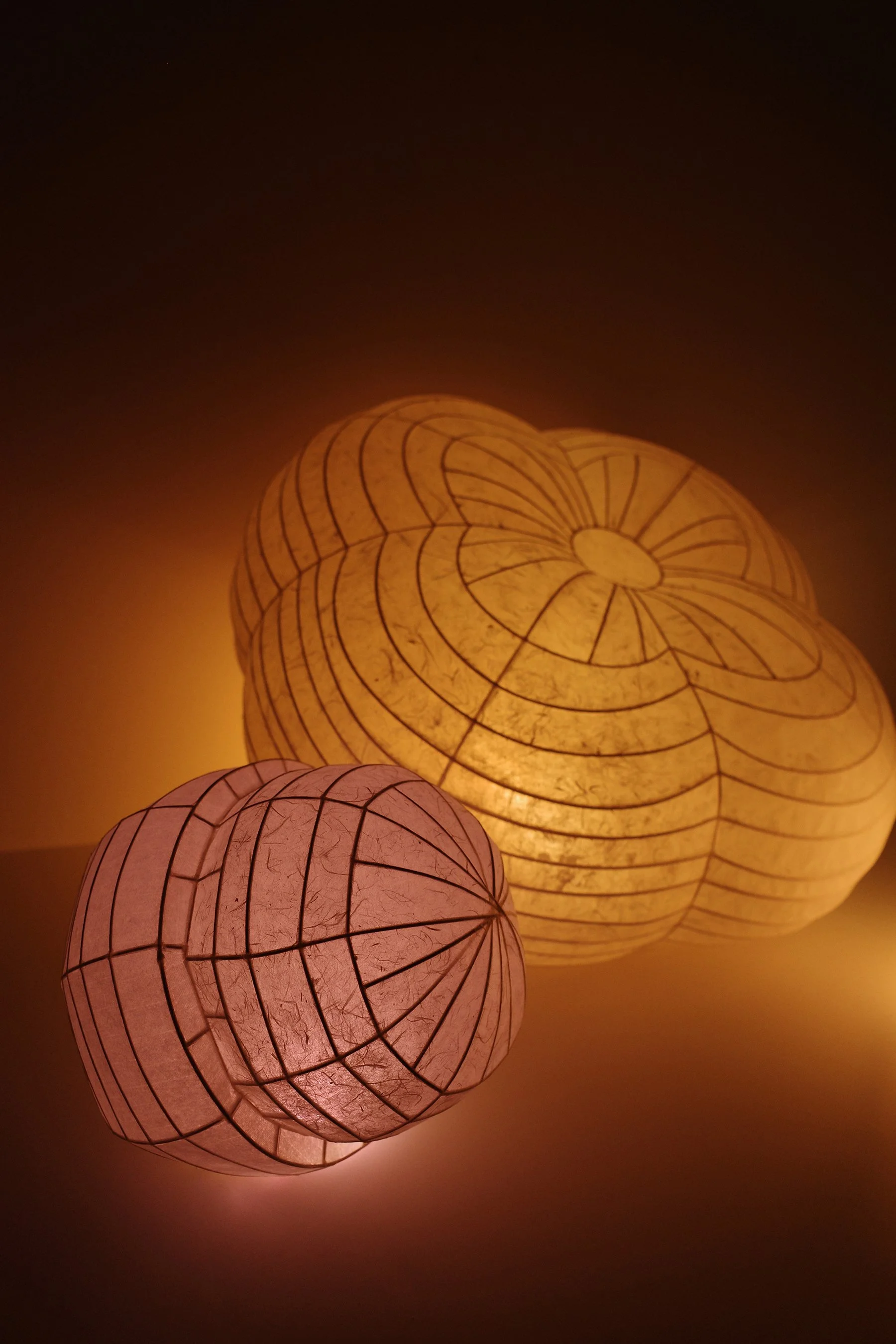
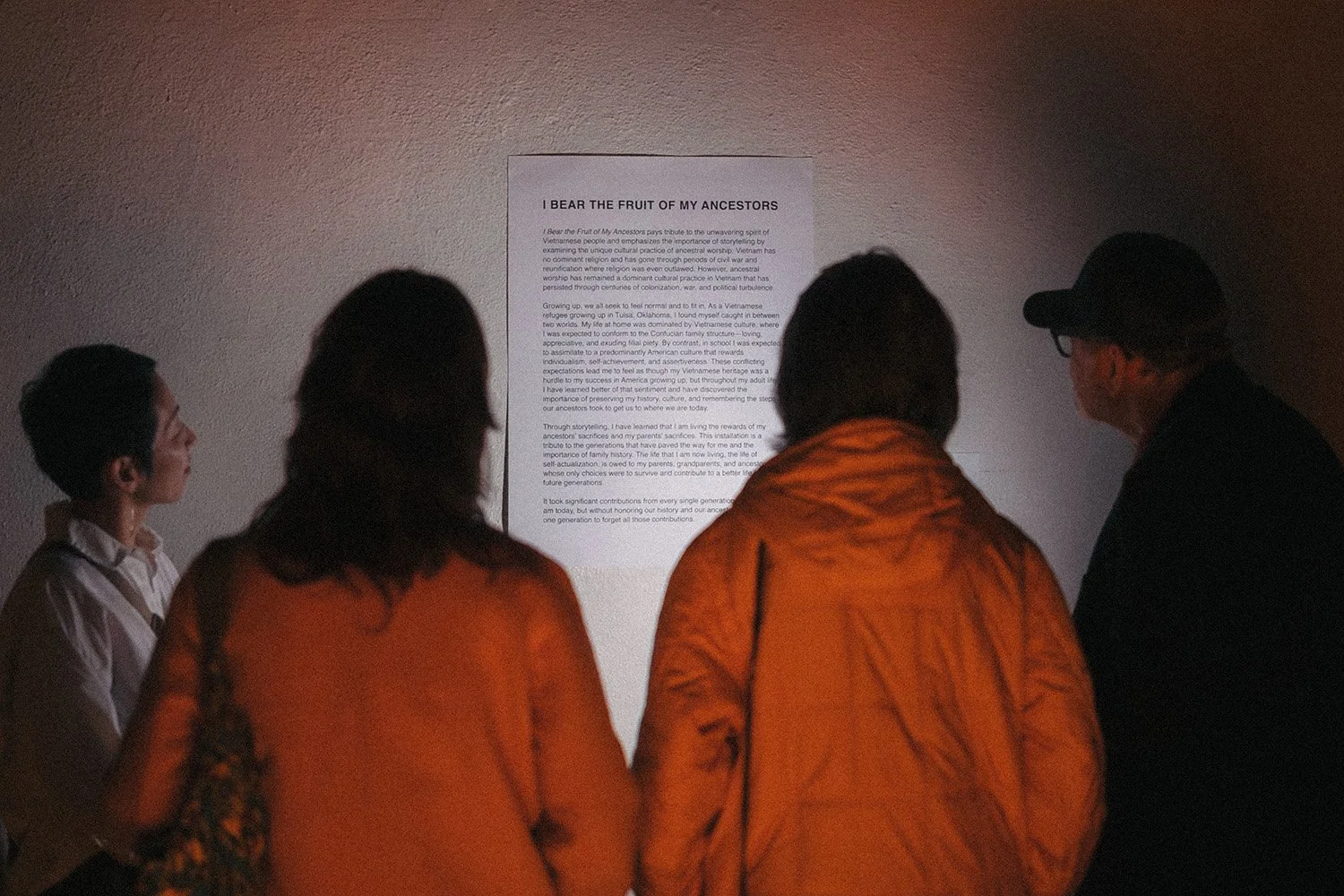
I Bear the Fruit of My Ancestors is an ongoing series that pays tribute to the spirit of Vietnamese people and emphasizes the importance of storytelling. It examines the unique cultural practice of ancestral worship and creates an ongoing dialogue between the living and the departed. Ancestral worship has remained a dominant cultural practice in Vietnam that has persisted through centuries of colonization, war, and political turbulence. This series explores intergenerational inheritance through paper, a medium that is both fragile and enduring. It echoes the ways memory, trauma, and tradition are carried through family lines. Drawing from these practices, the works layer hand-cut rice paper on formed wooden reeds, altar offerings, and ritual objects. These motifs symbolize nourishment, sacrifice, and the persistence of cultural identity passed down through generations.
“Through storytelling, I have learned that I am living the rewards of my ancestors’ sacrifices and my parents' sacrifices. This installation is a tribute to the generations that have paved the way for me and the importance of family history. The life that I am now living, the life of self-actualization, is owed to my parents, grandparents, and ancestors whose only choices were to survive and contribute to a better life for future generations.
It took significant contributions from every single generation to get where I am today, but without honoring our history and our ancestors, it only takes one generation to forget all those contributions.”— Phạm
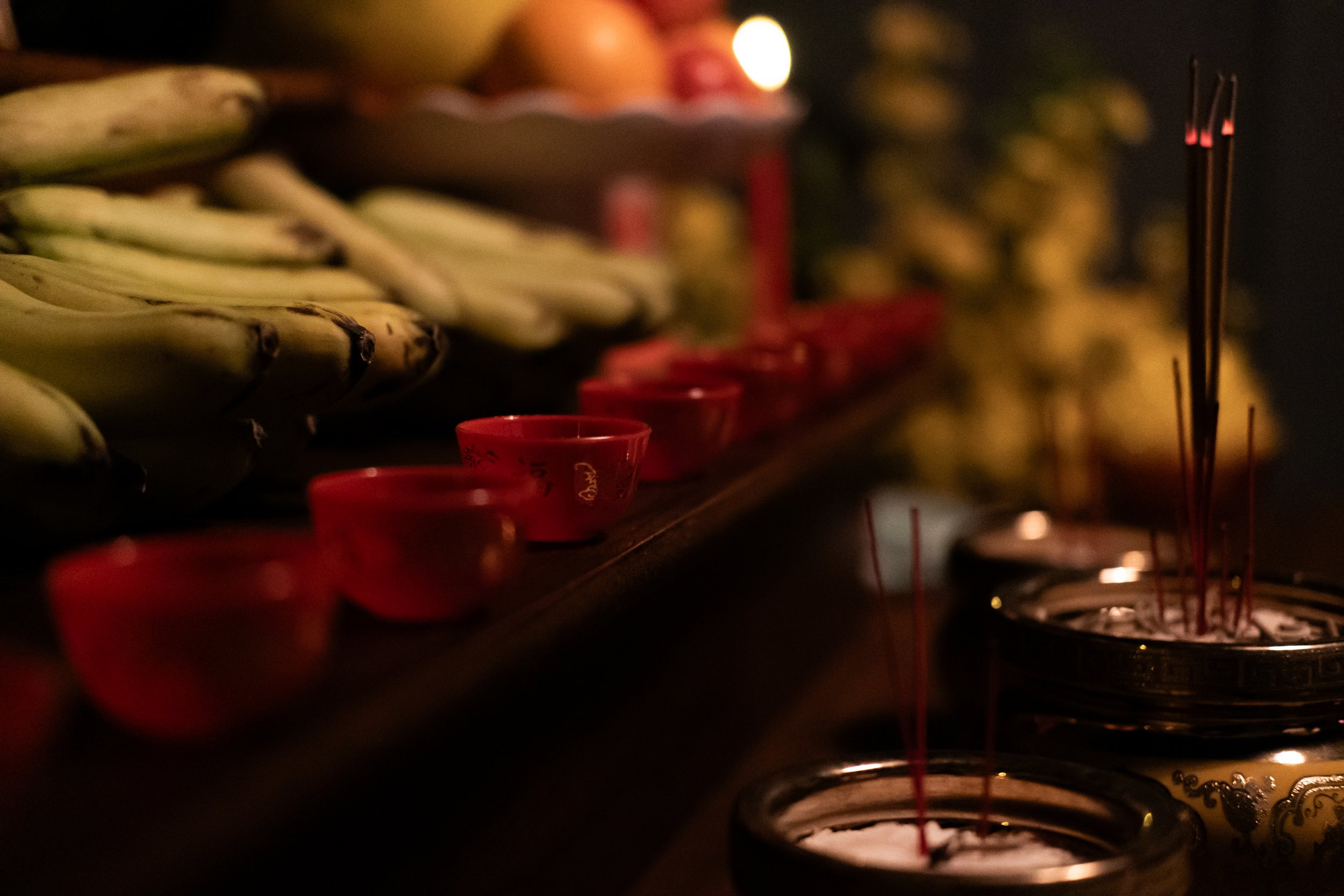
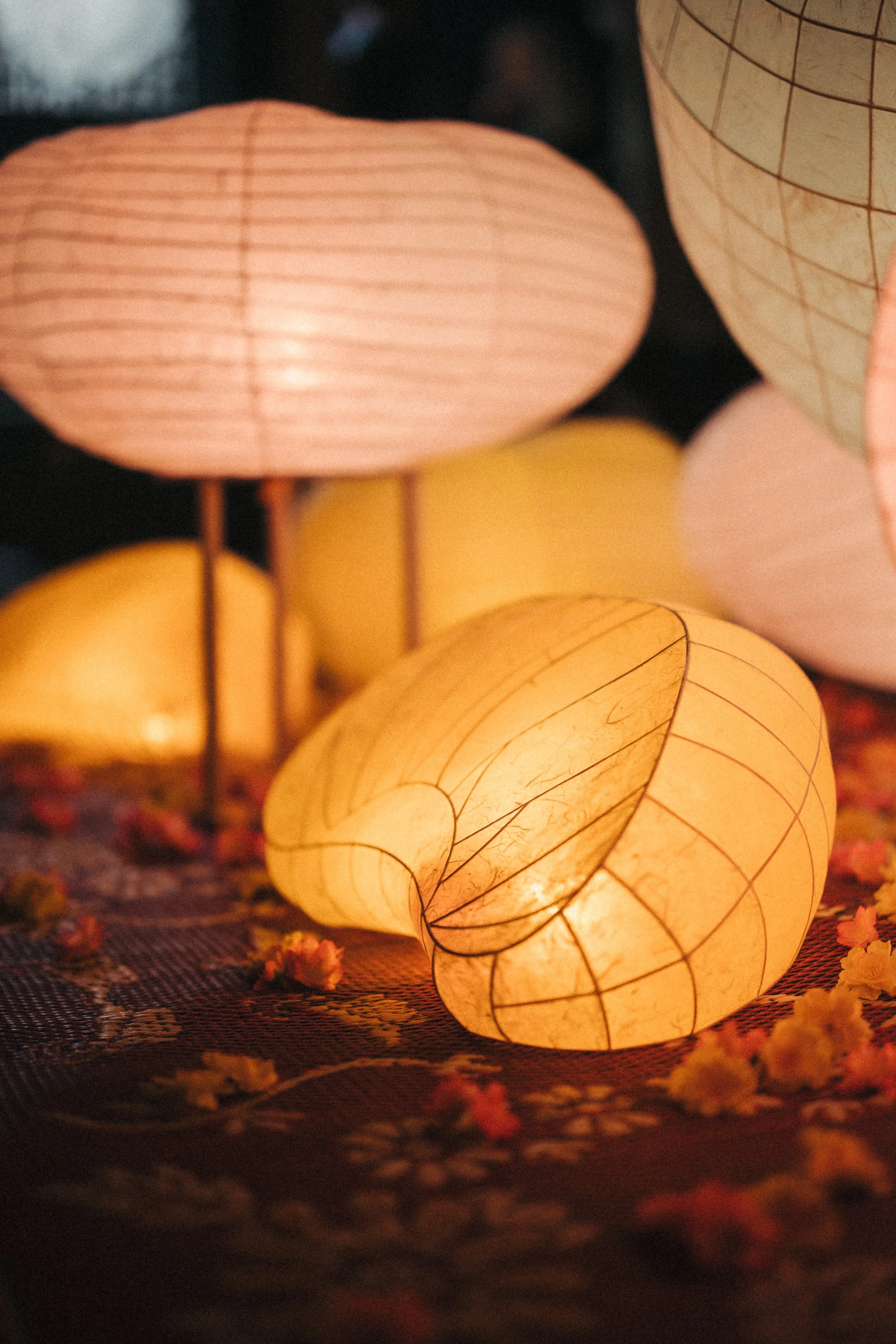
Site-specific installation, 2024
(featuring rice paper, wooden reed, joss paper, incense, carved wooden fruit, custom altar table, woven rug)
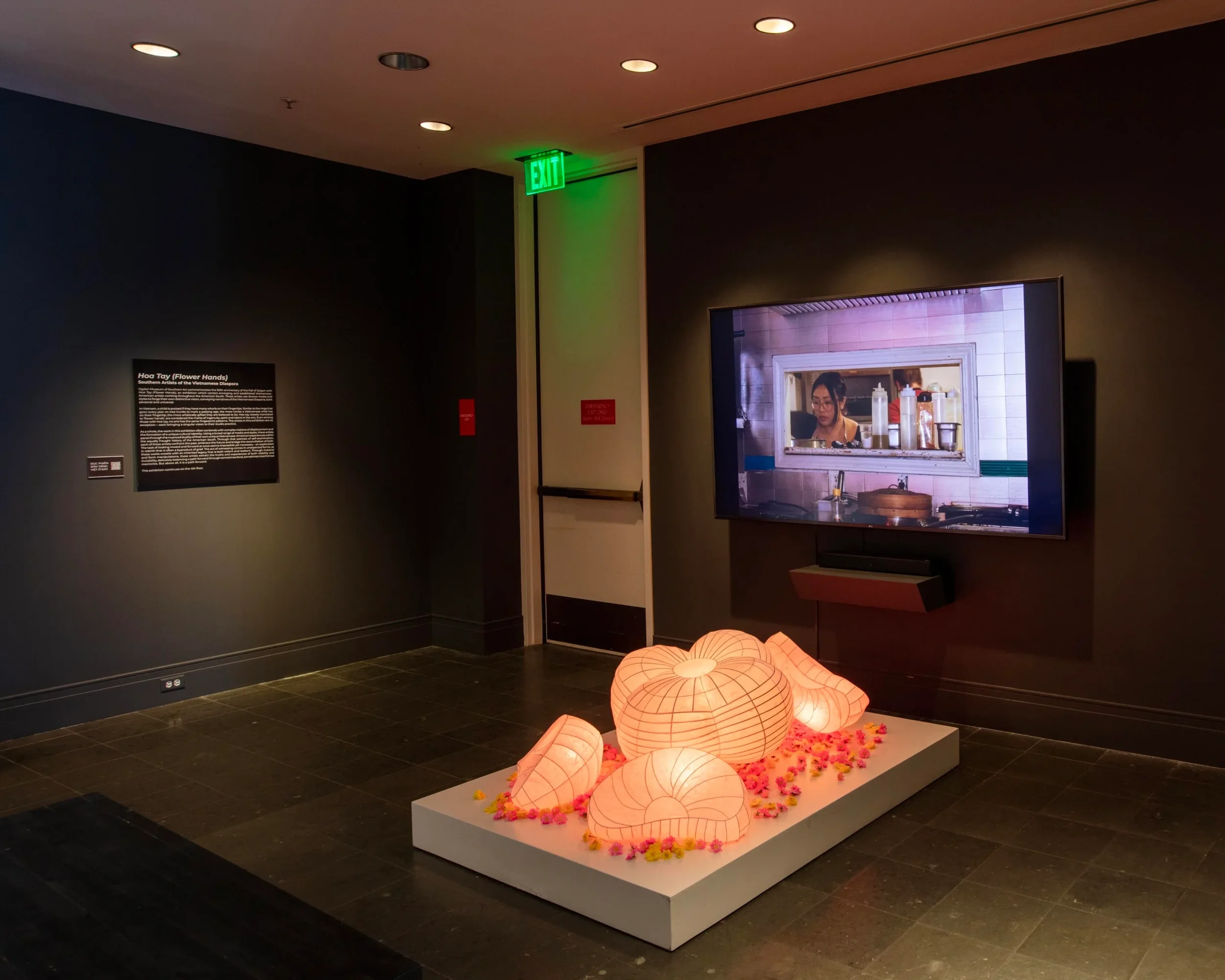
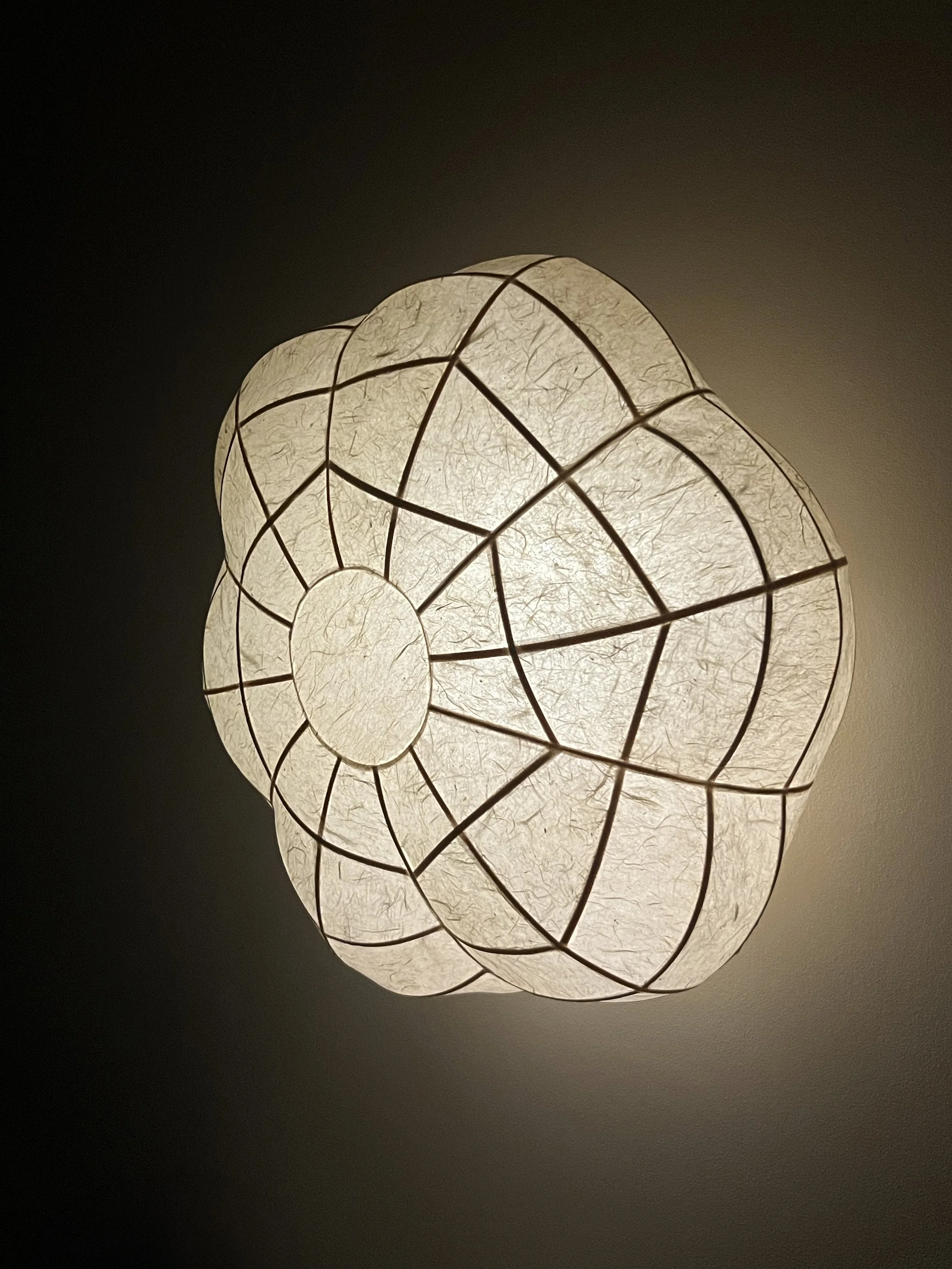
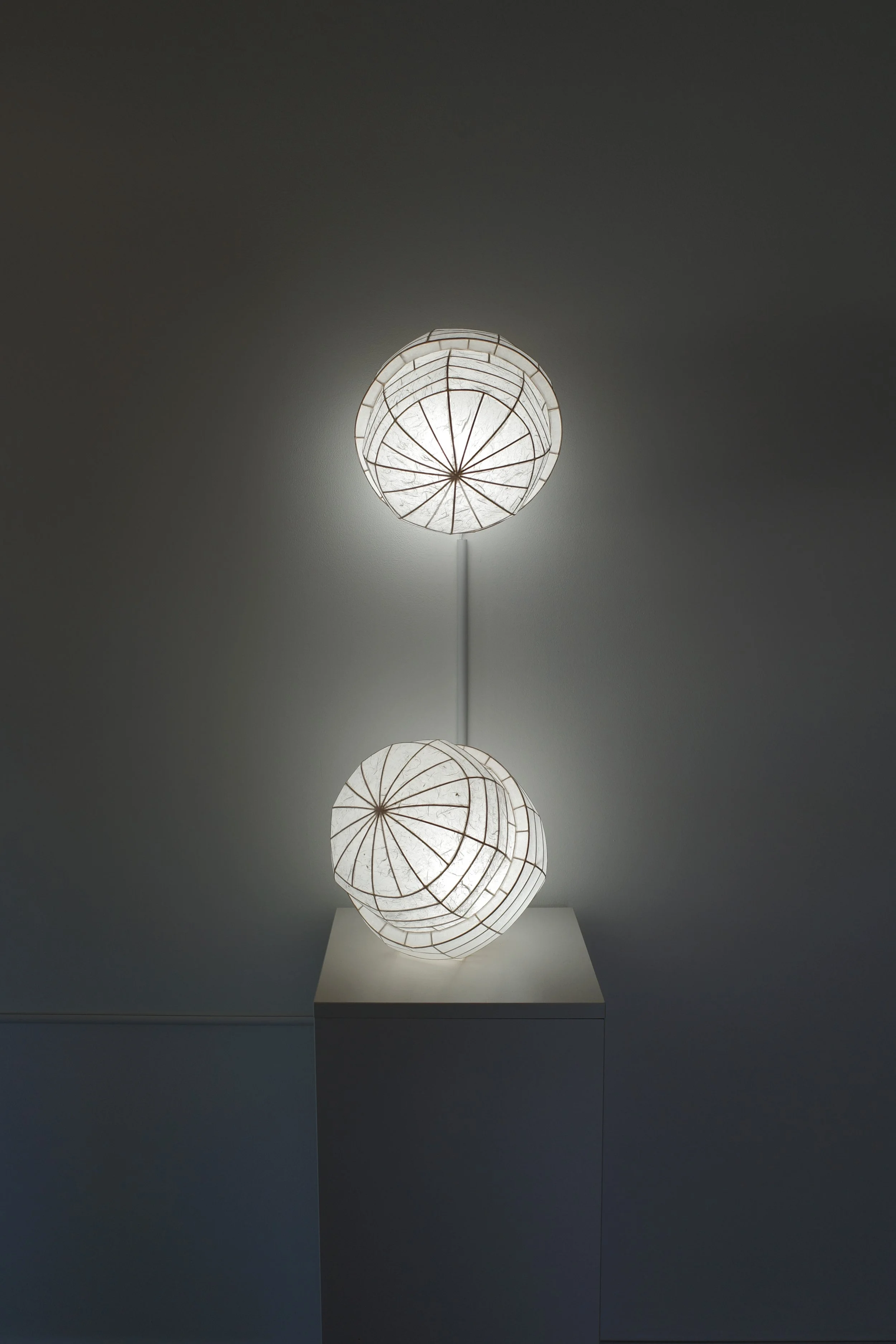
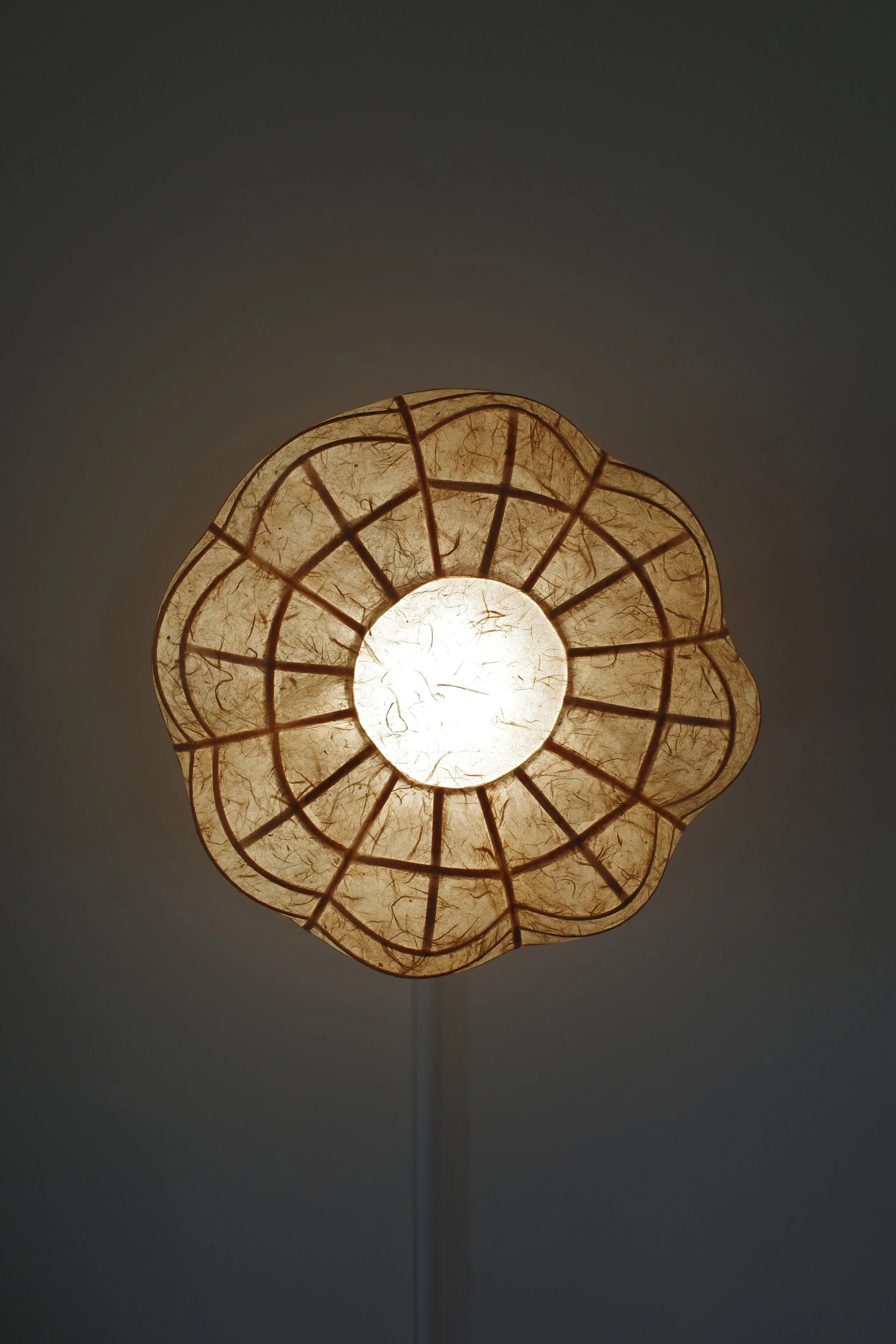
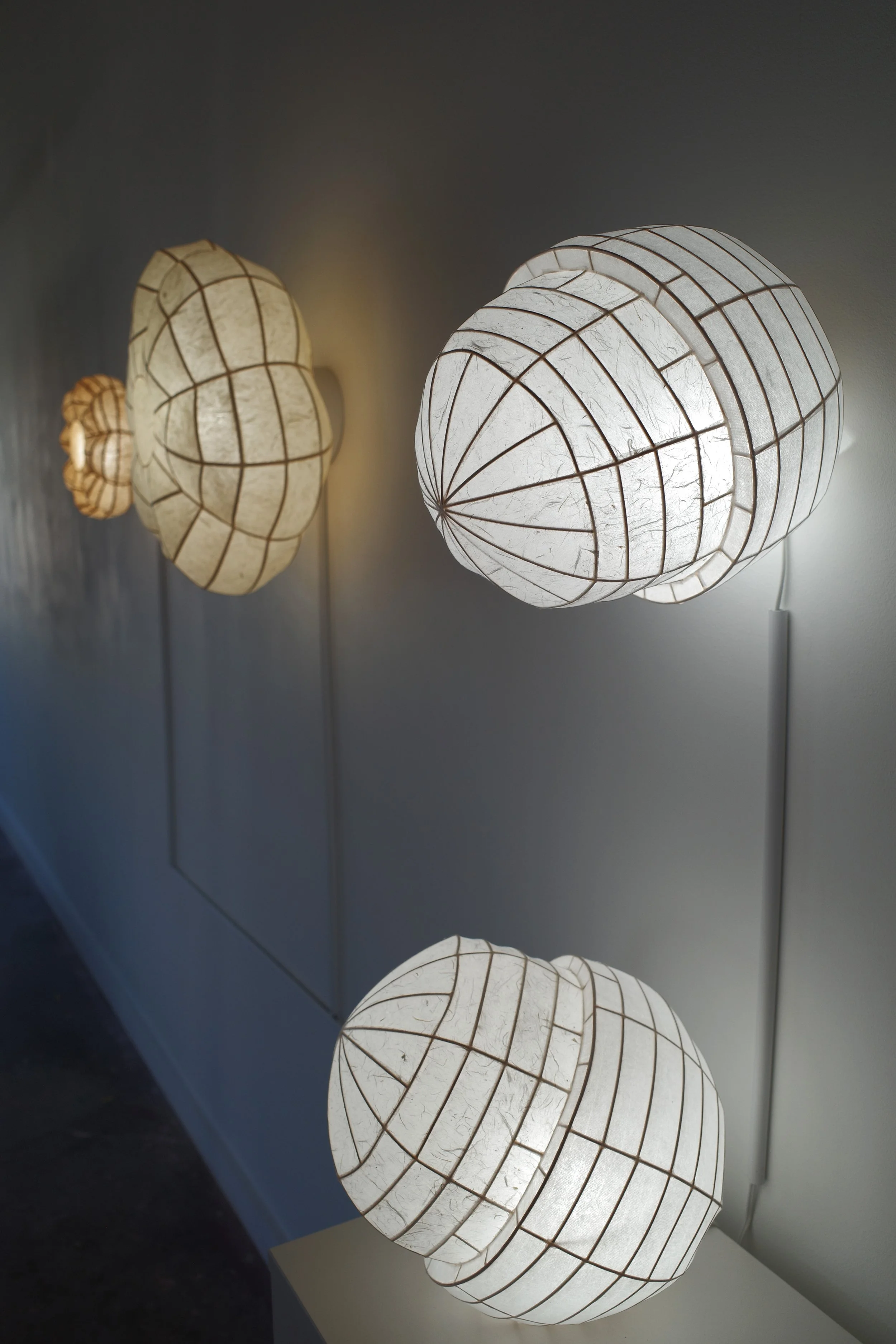
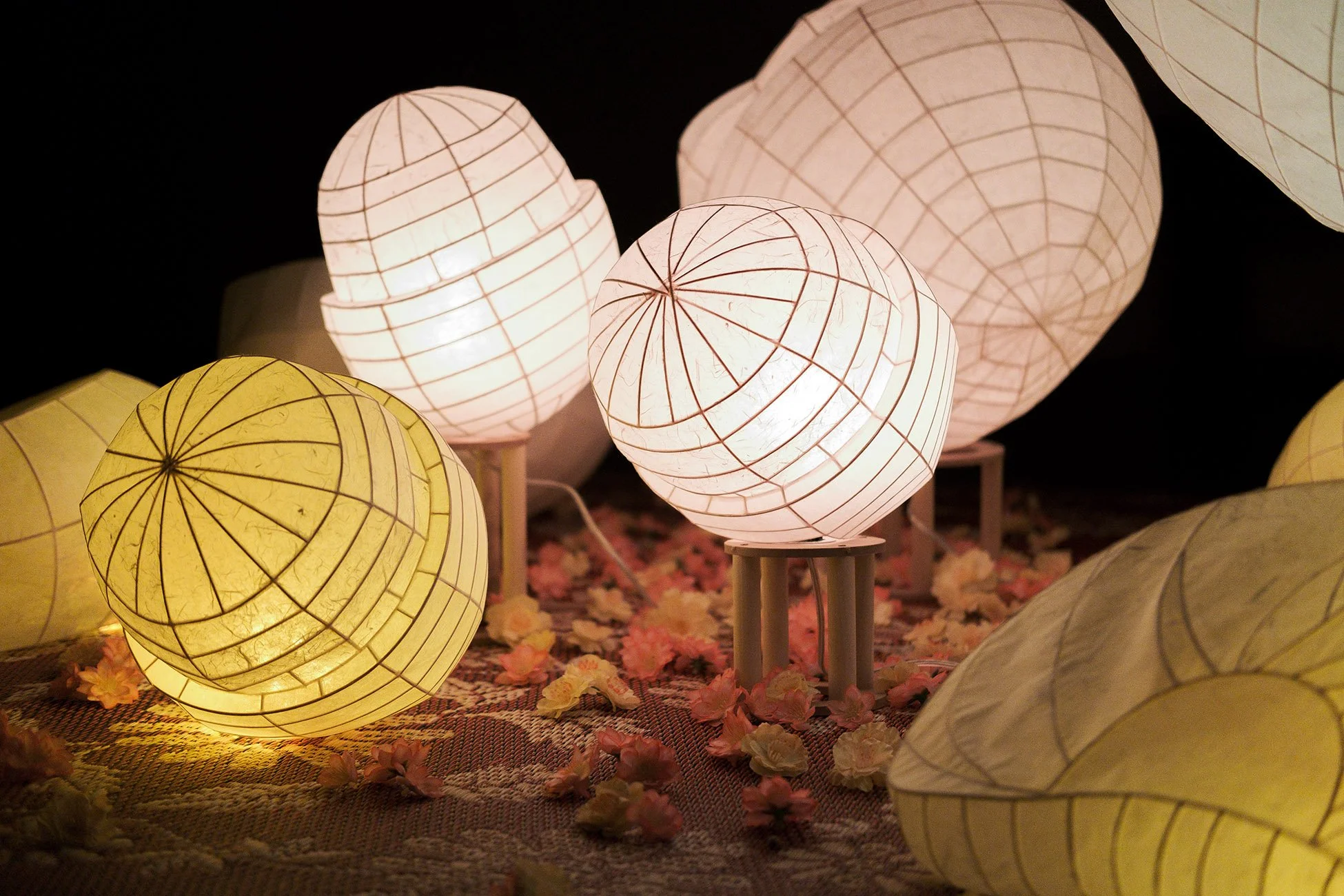
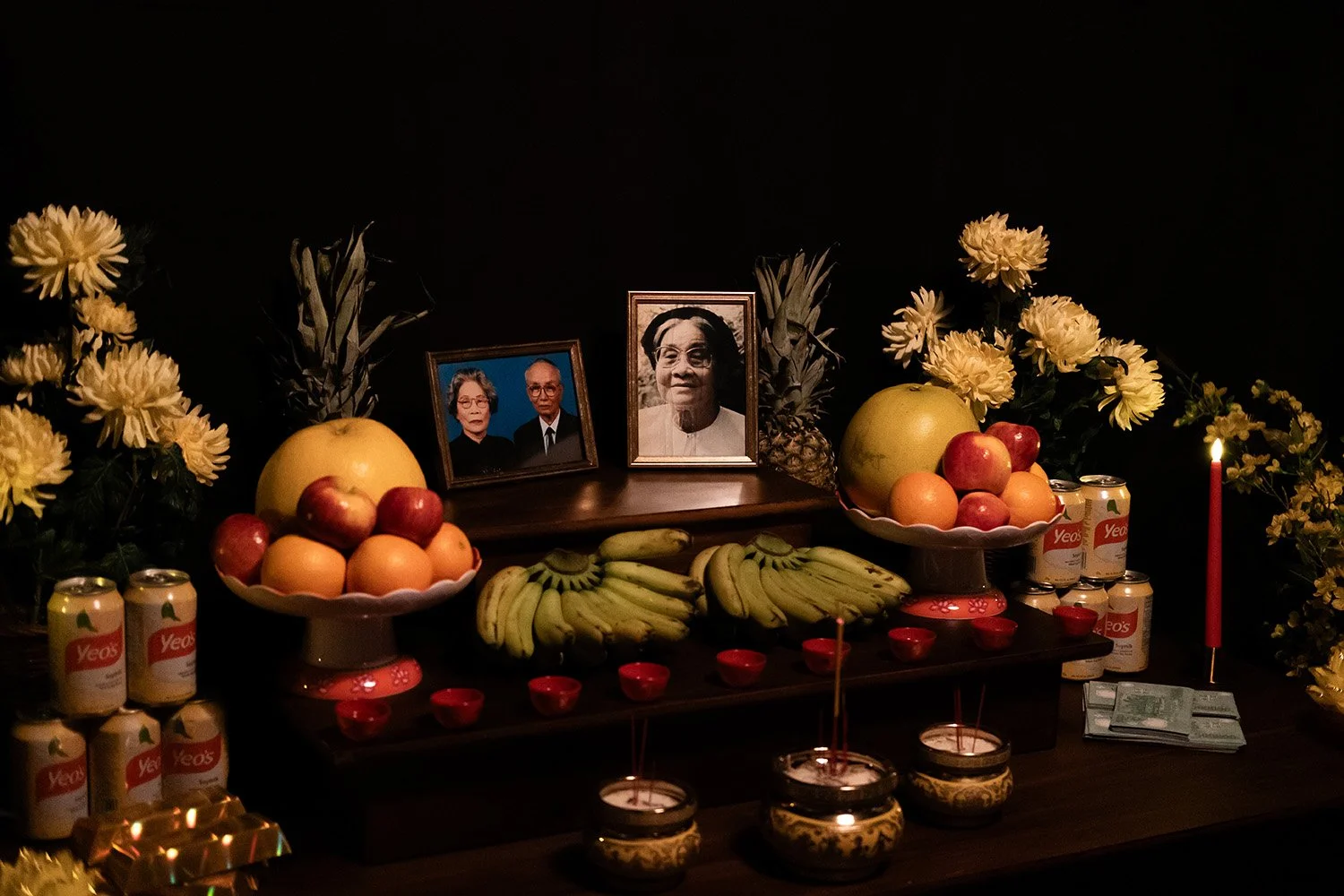
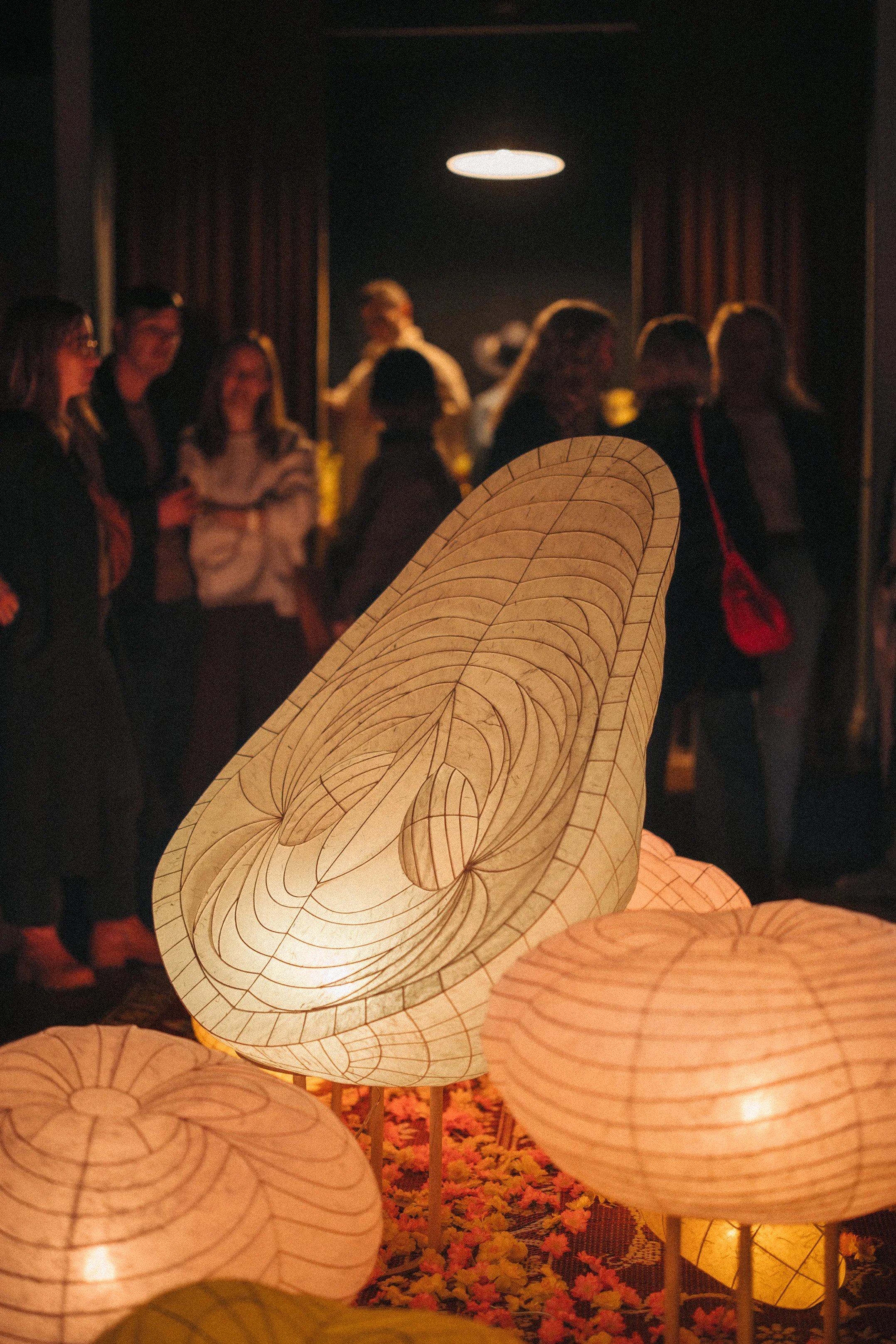
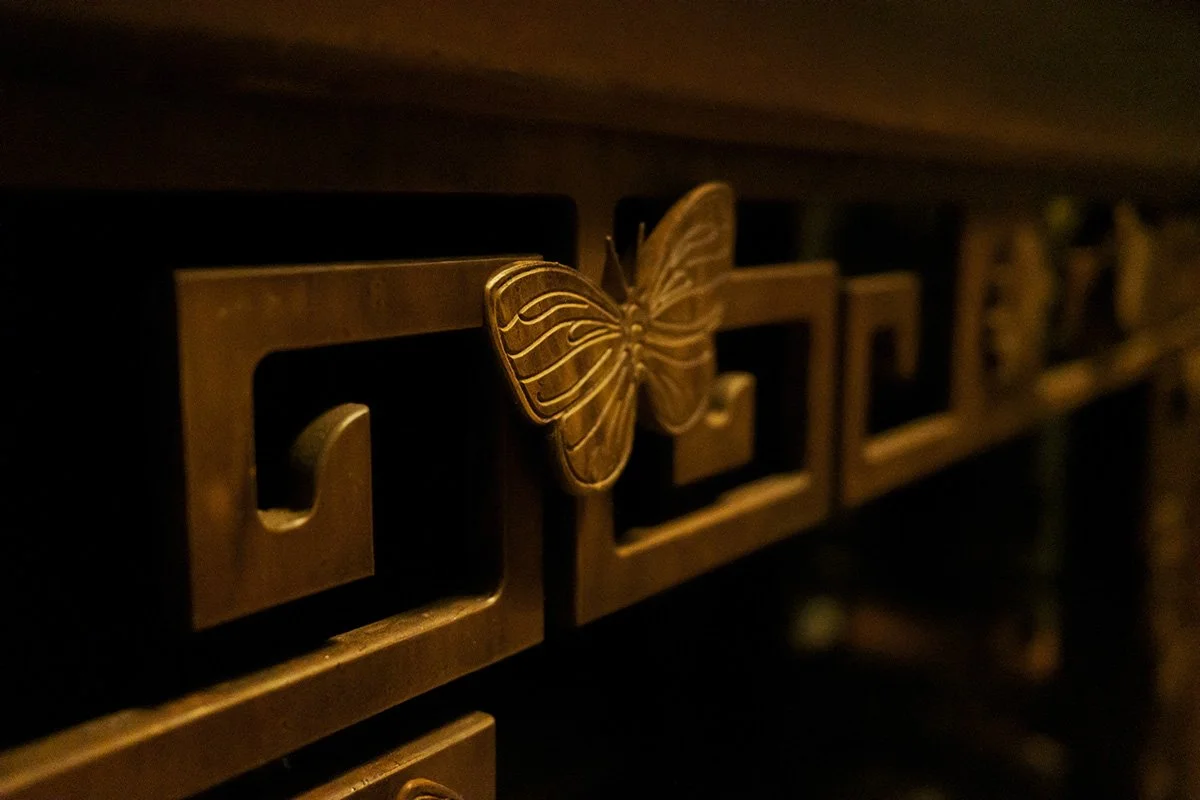
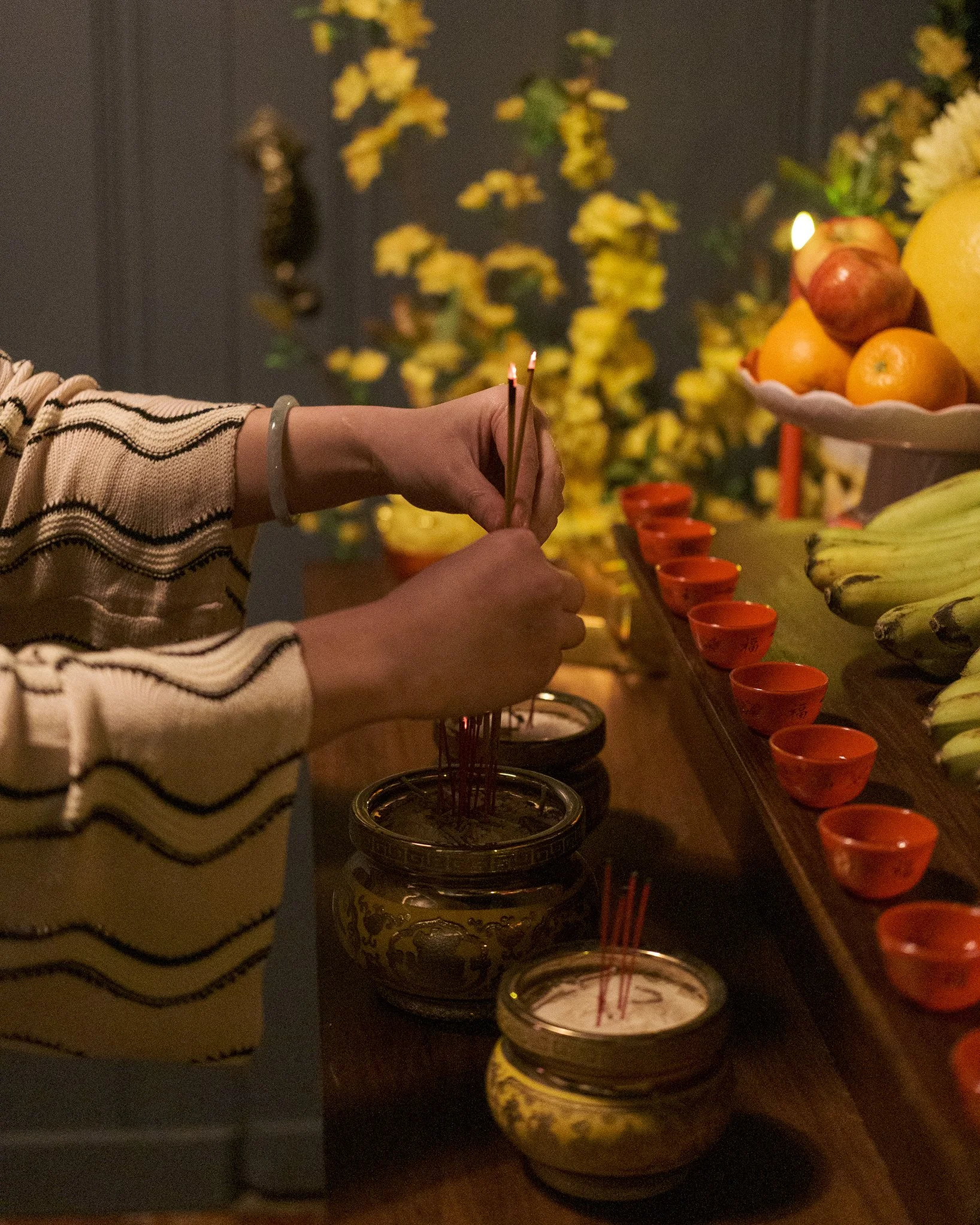
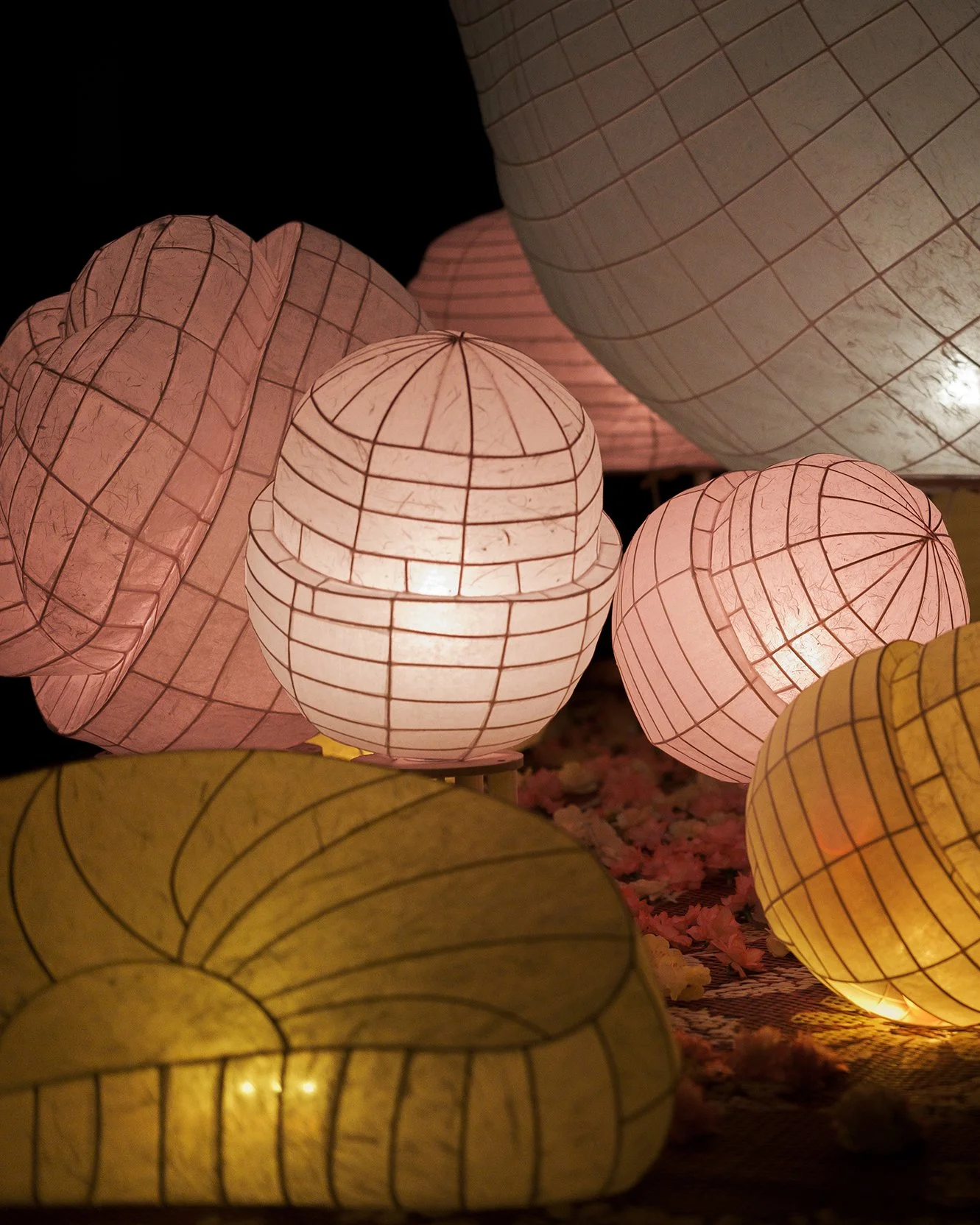
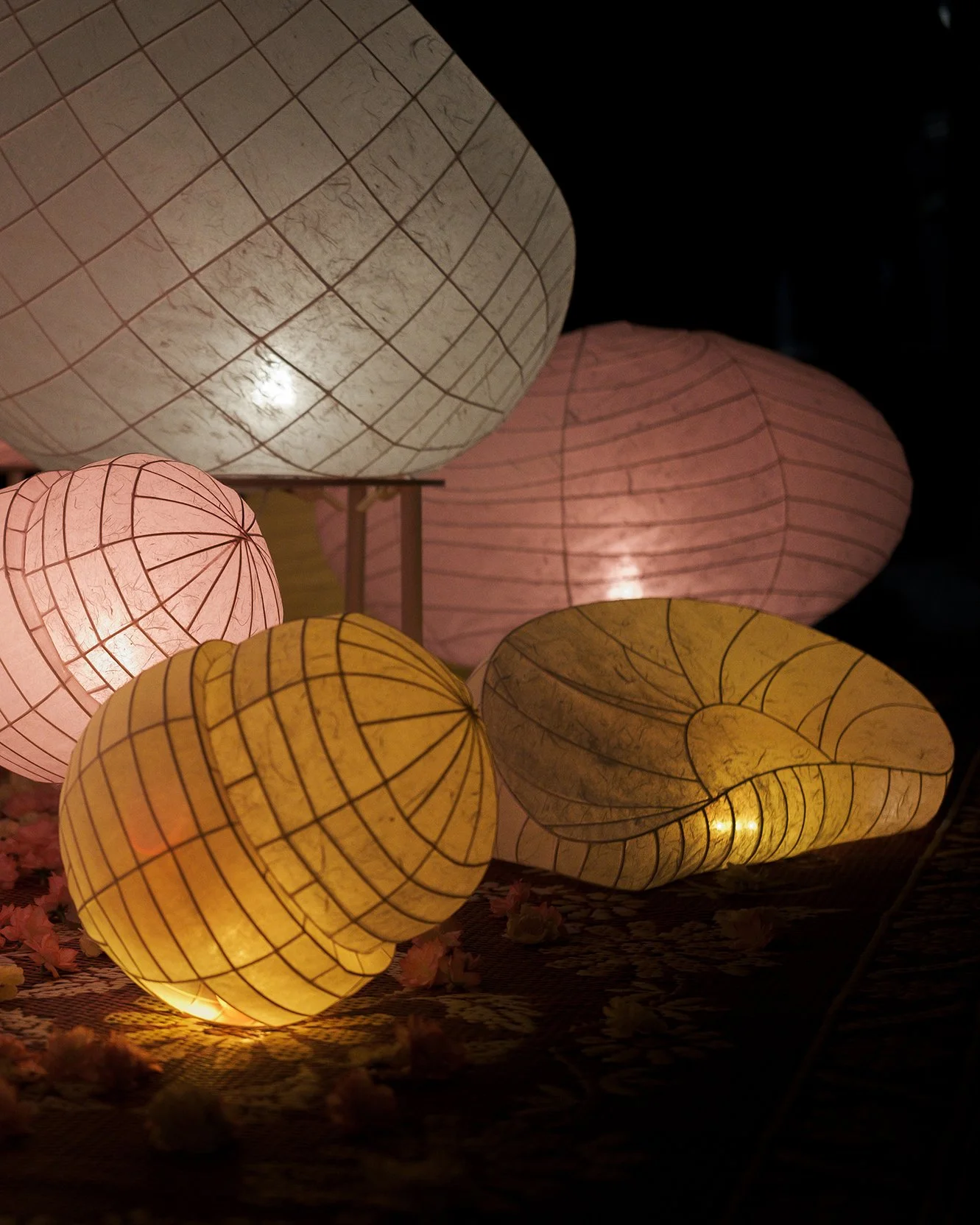
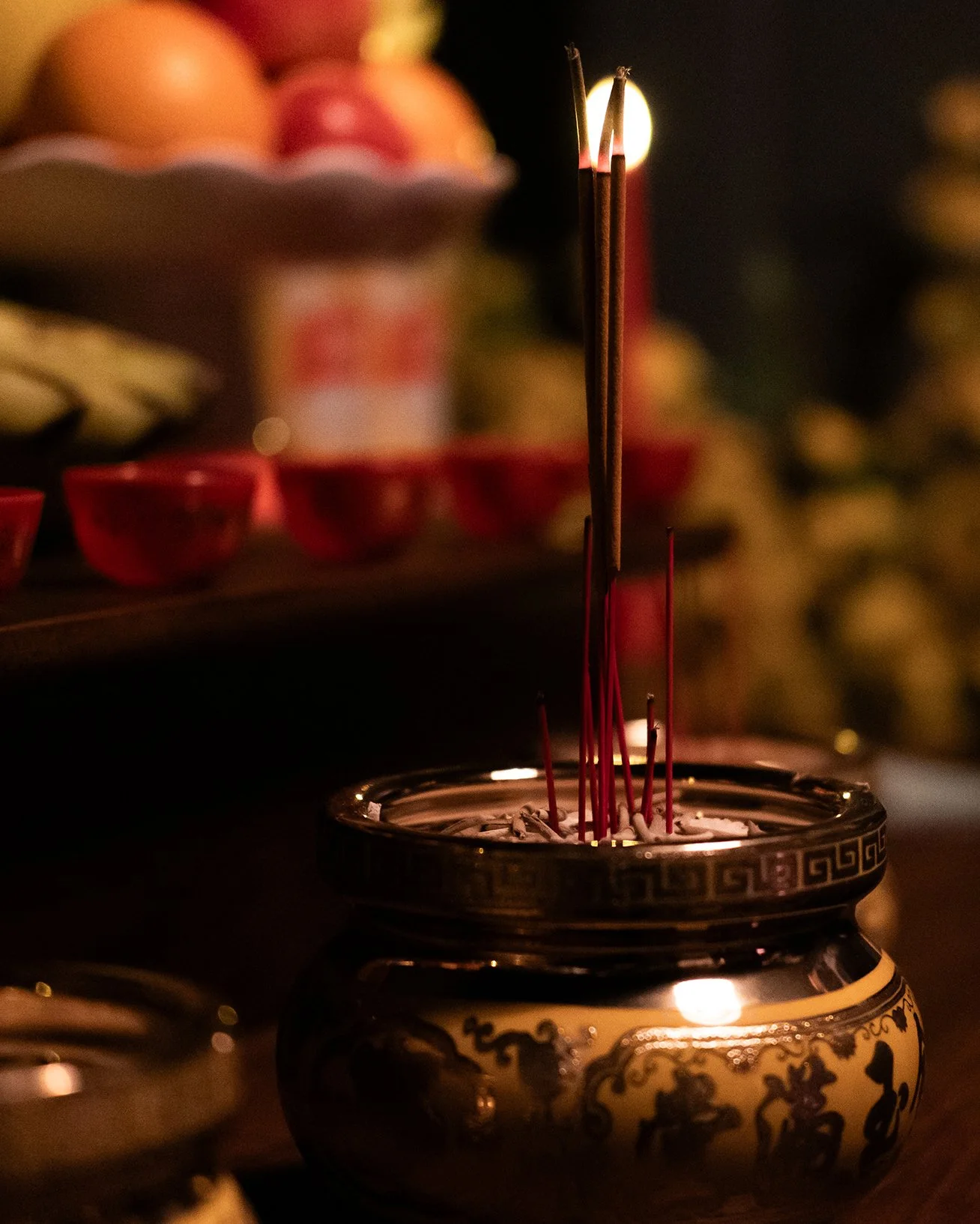
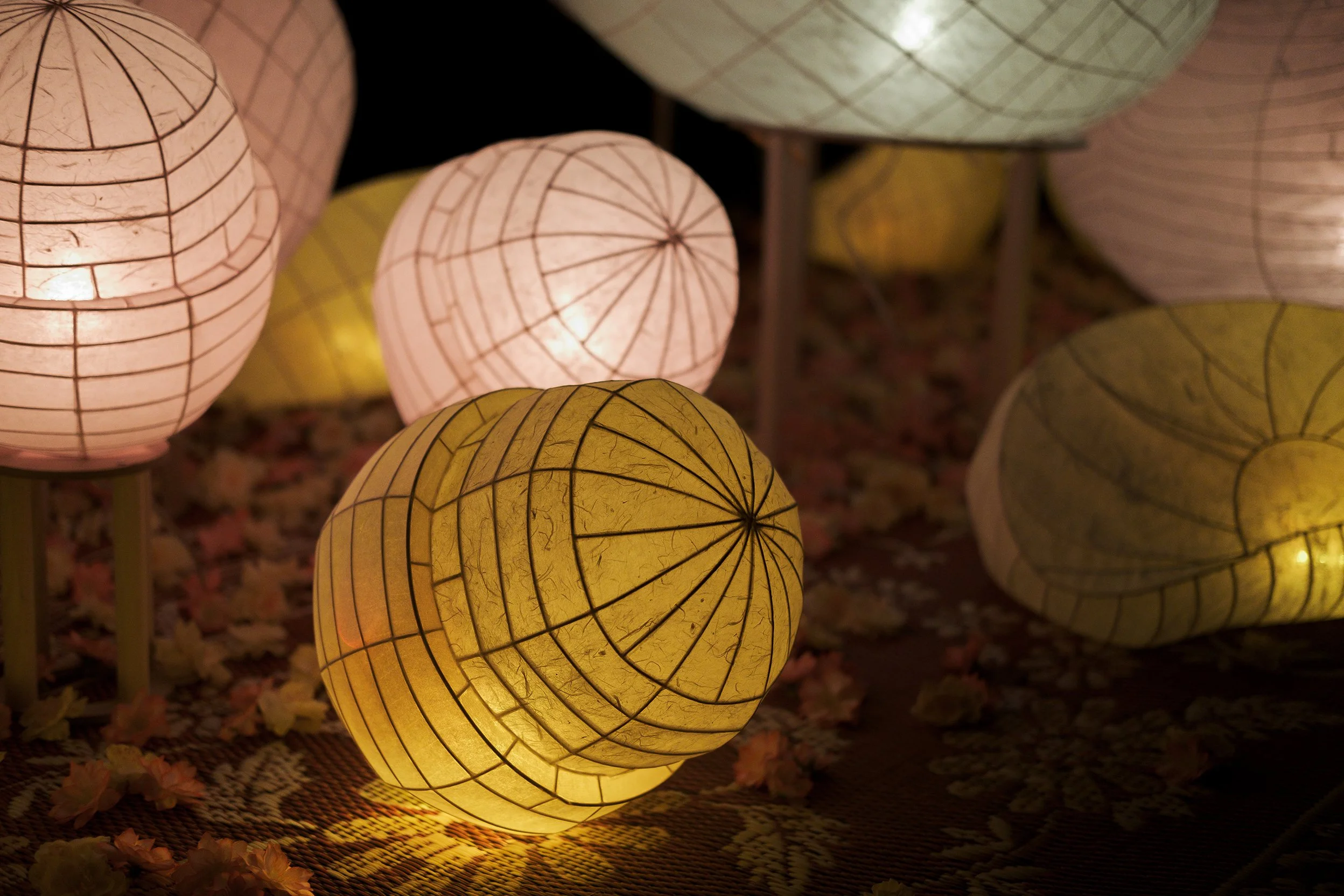
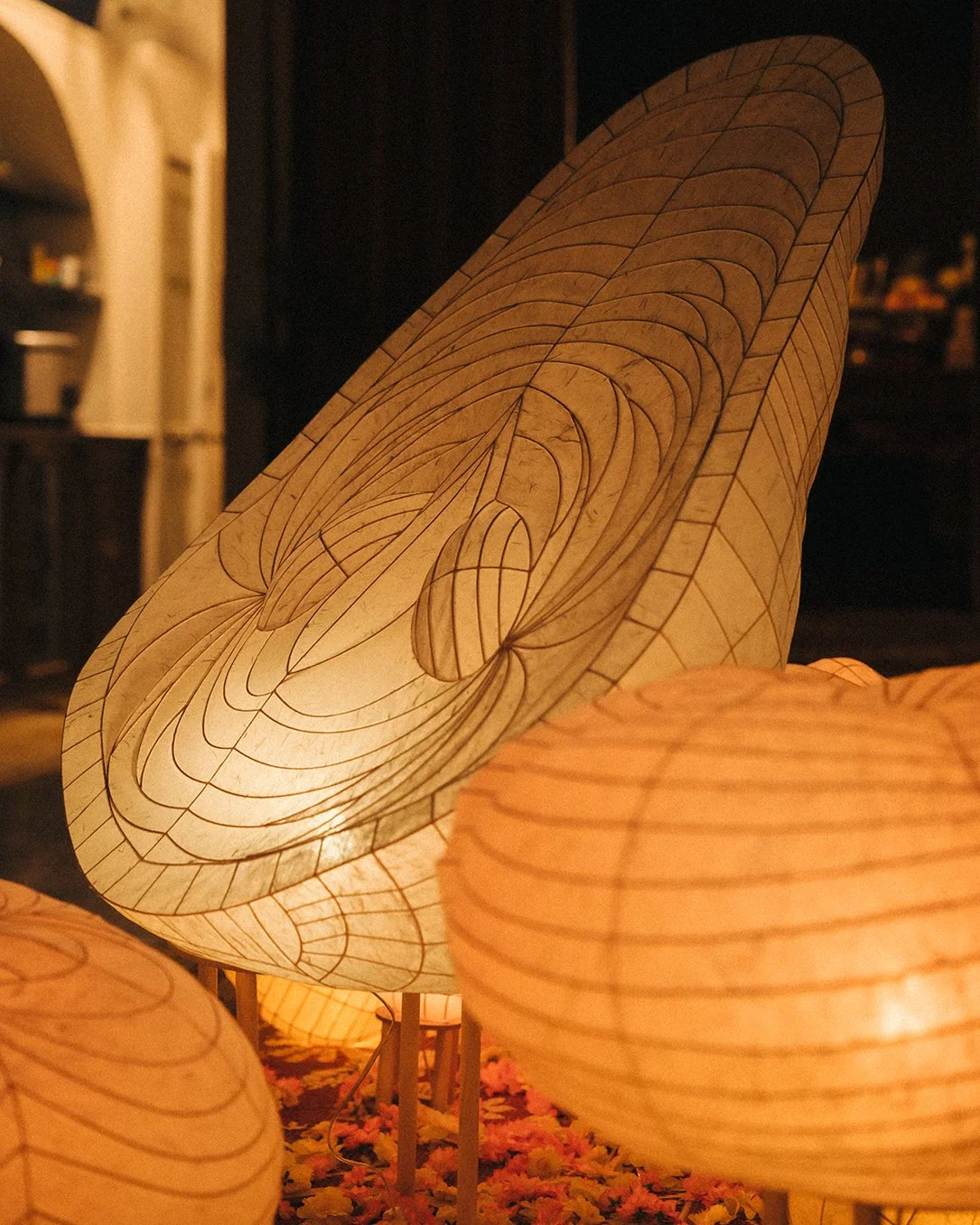
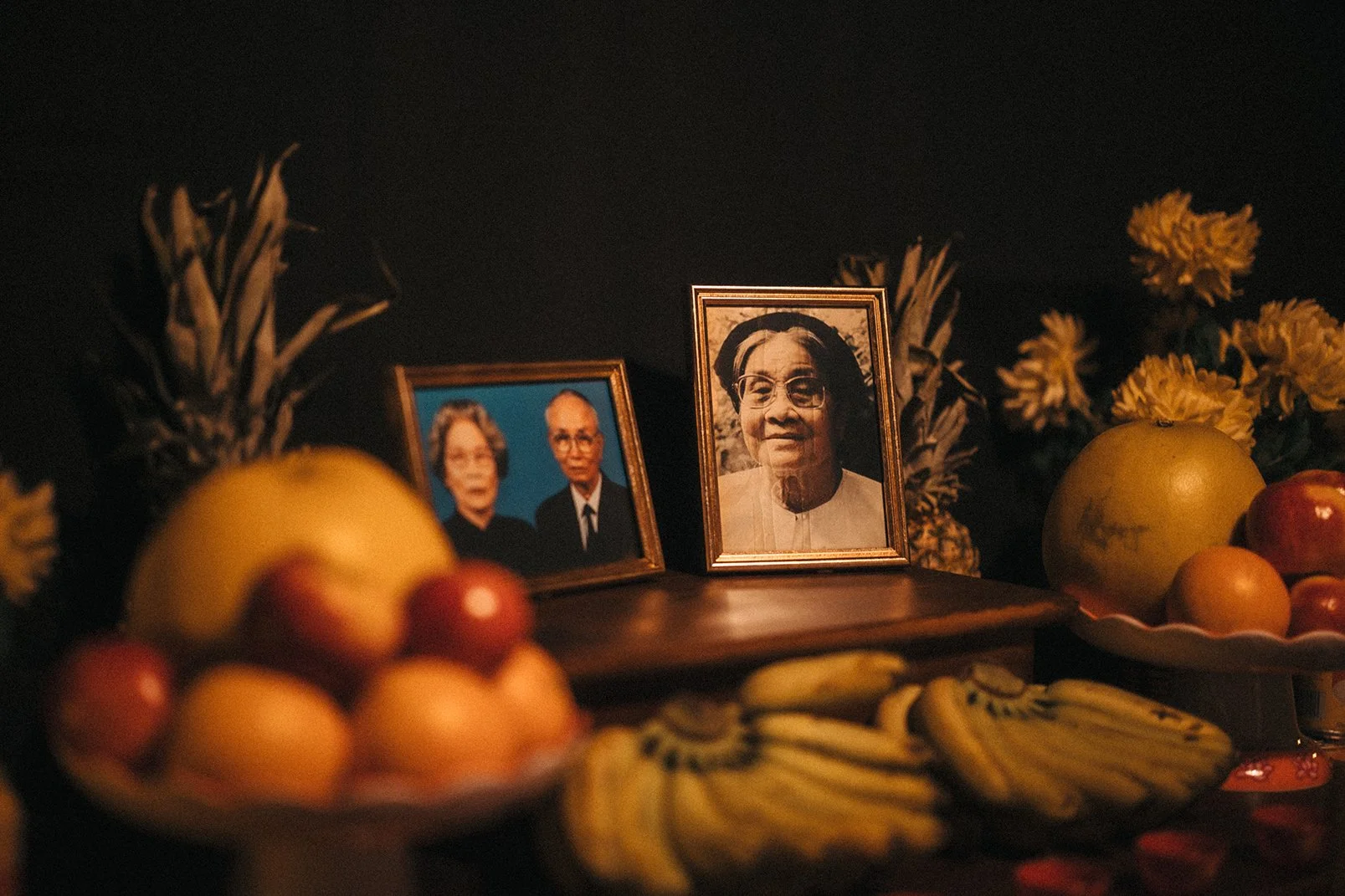
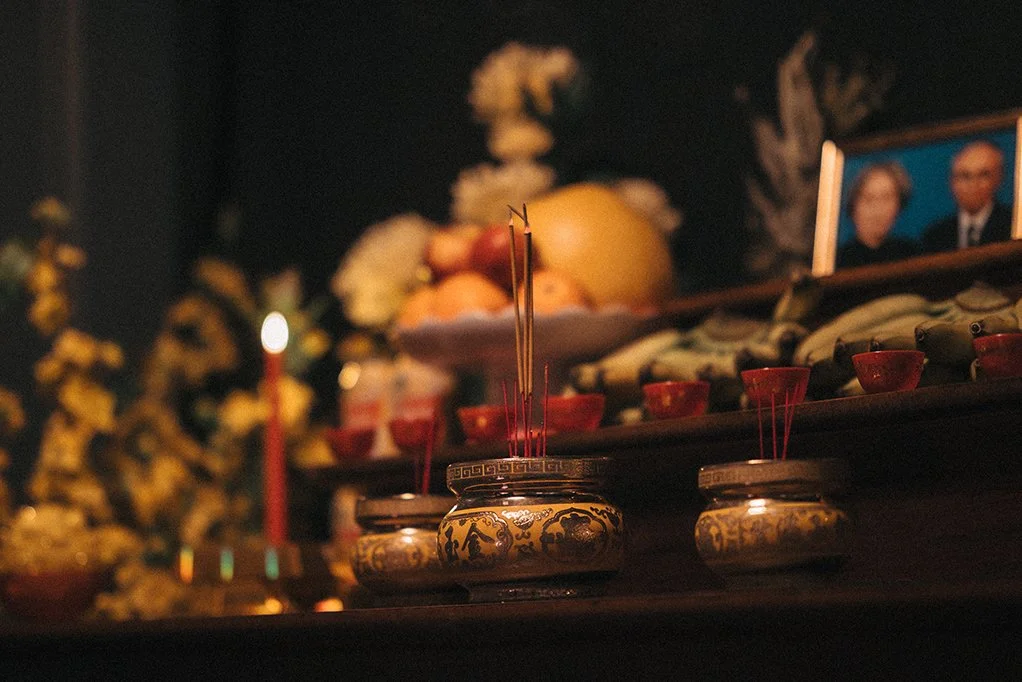
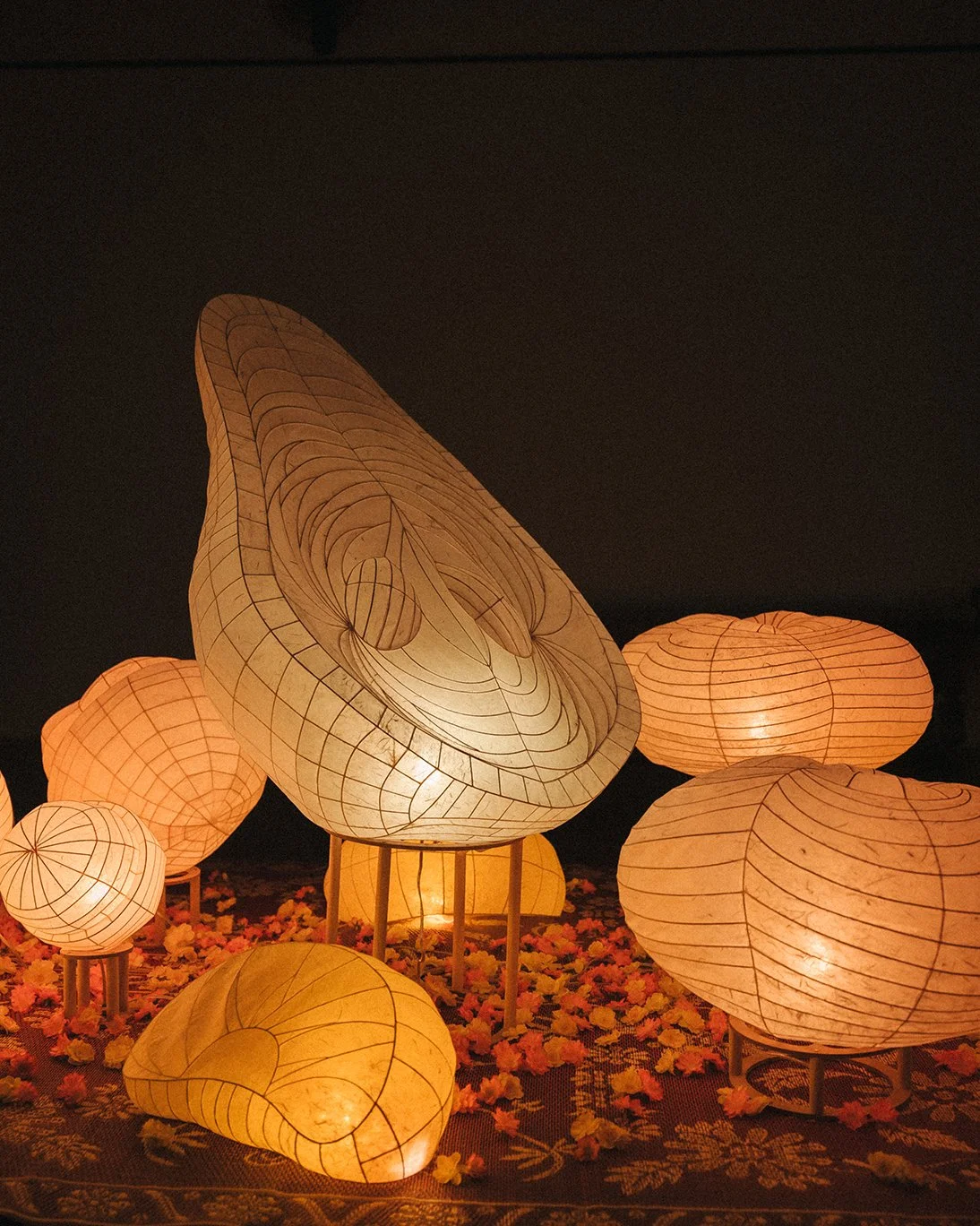
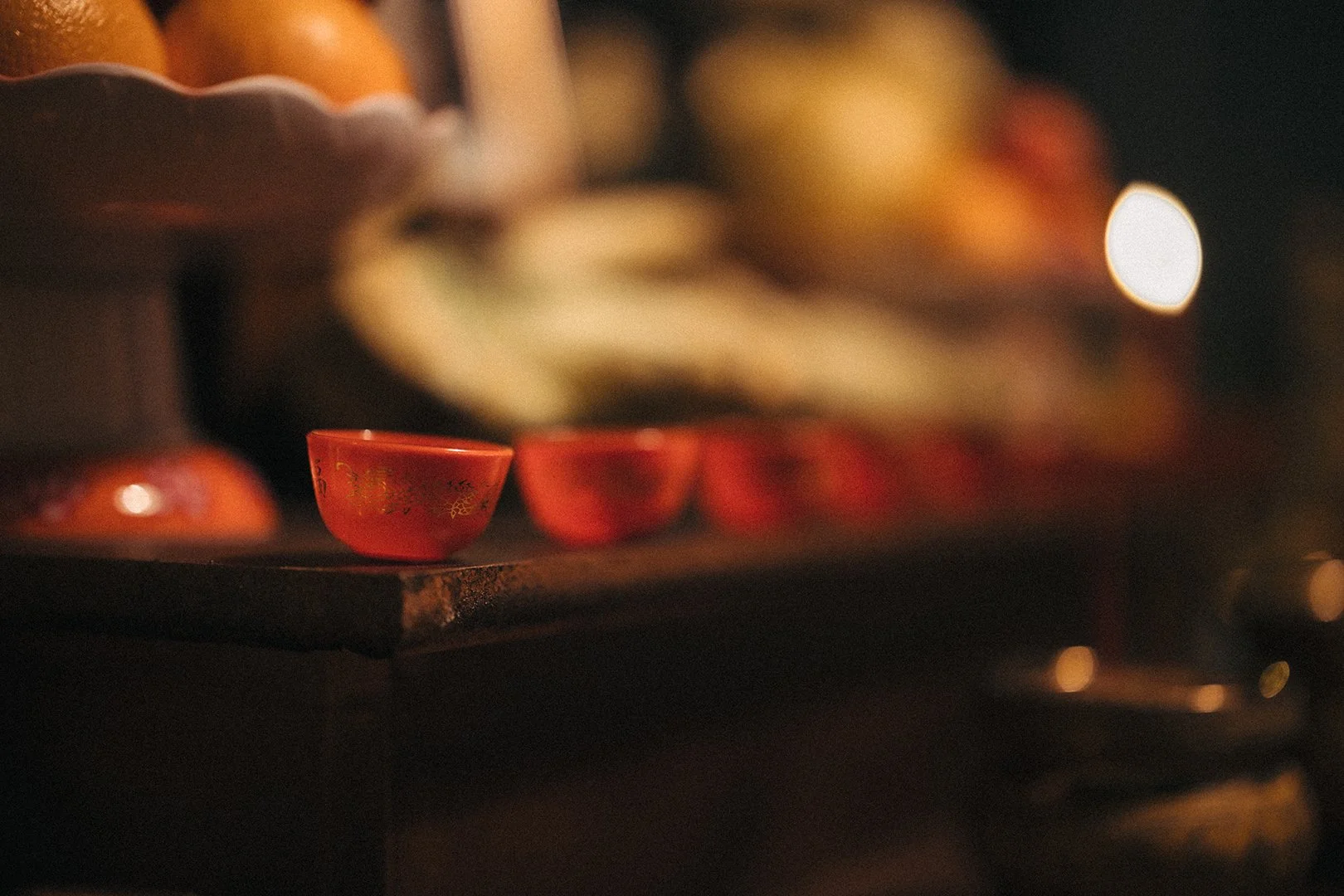
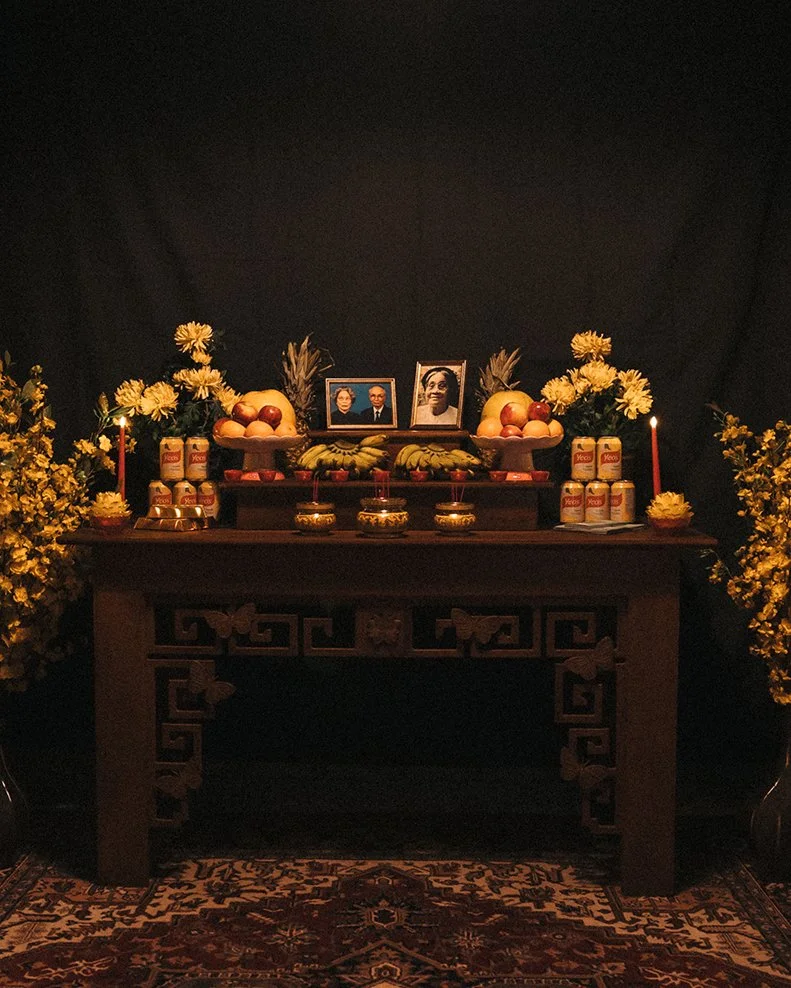
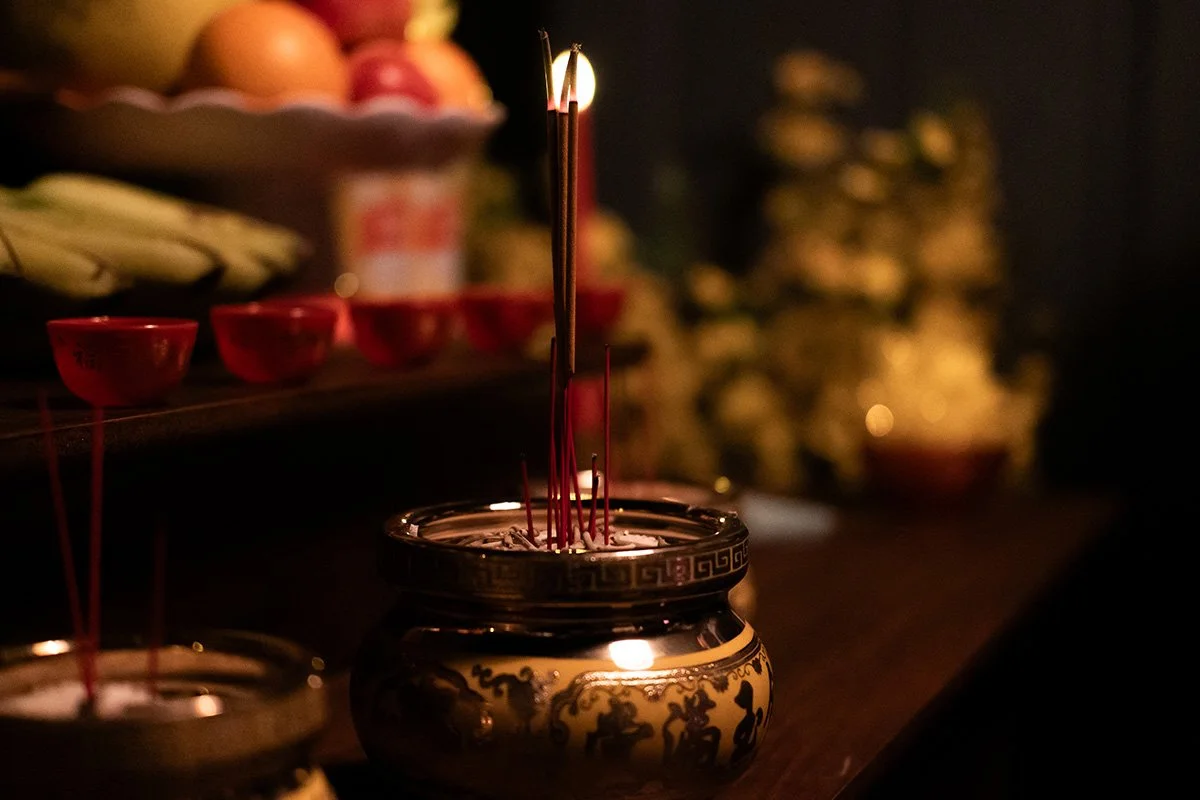
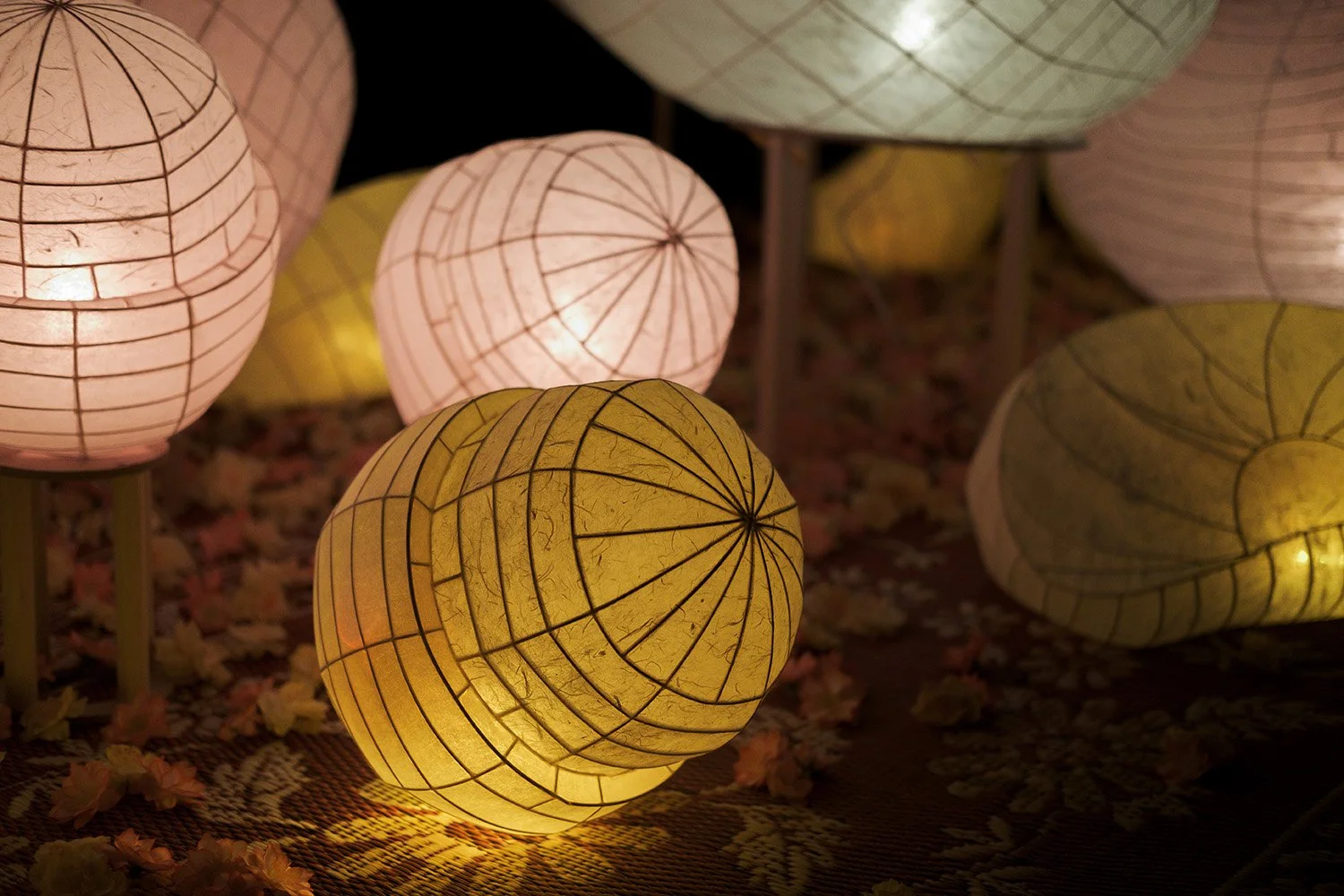
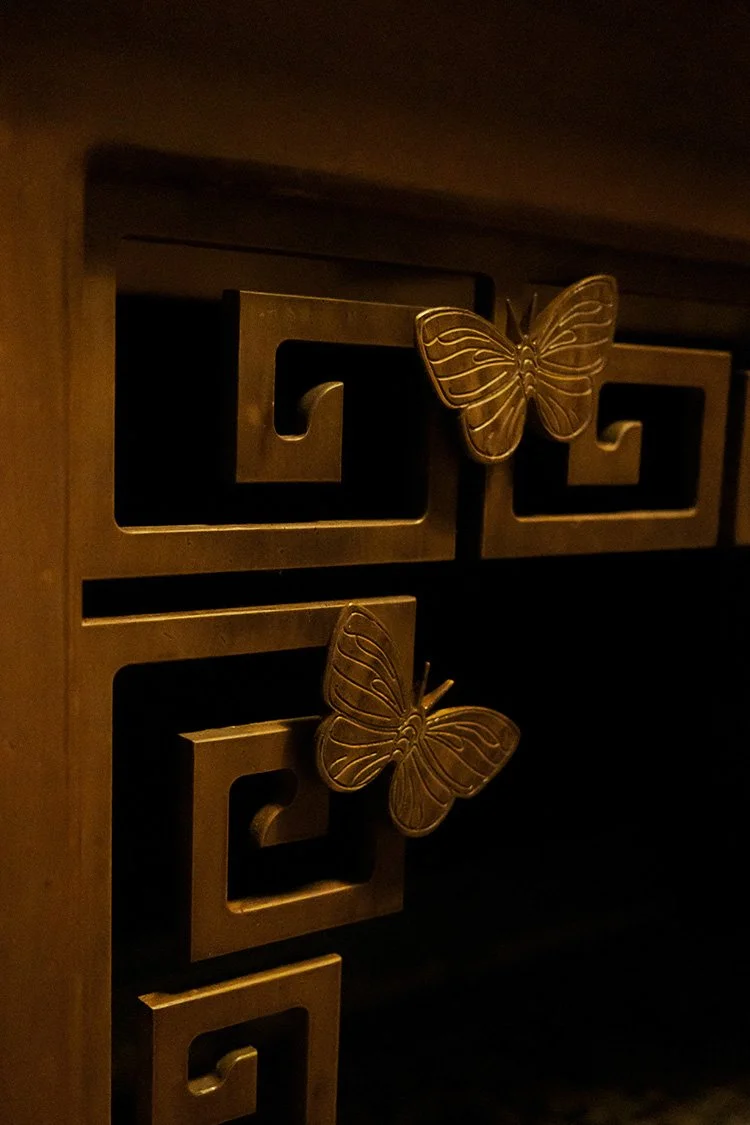
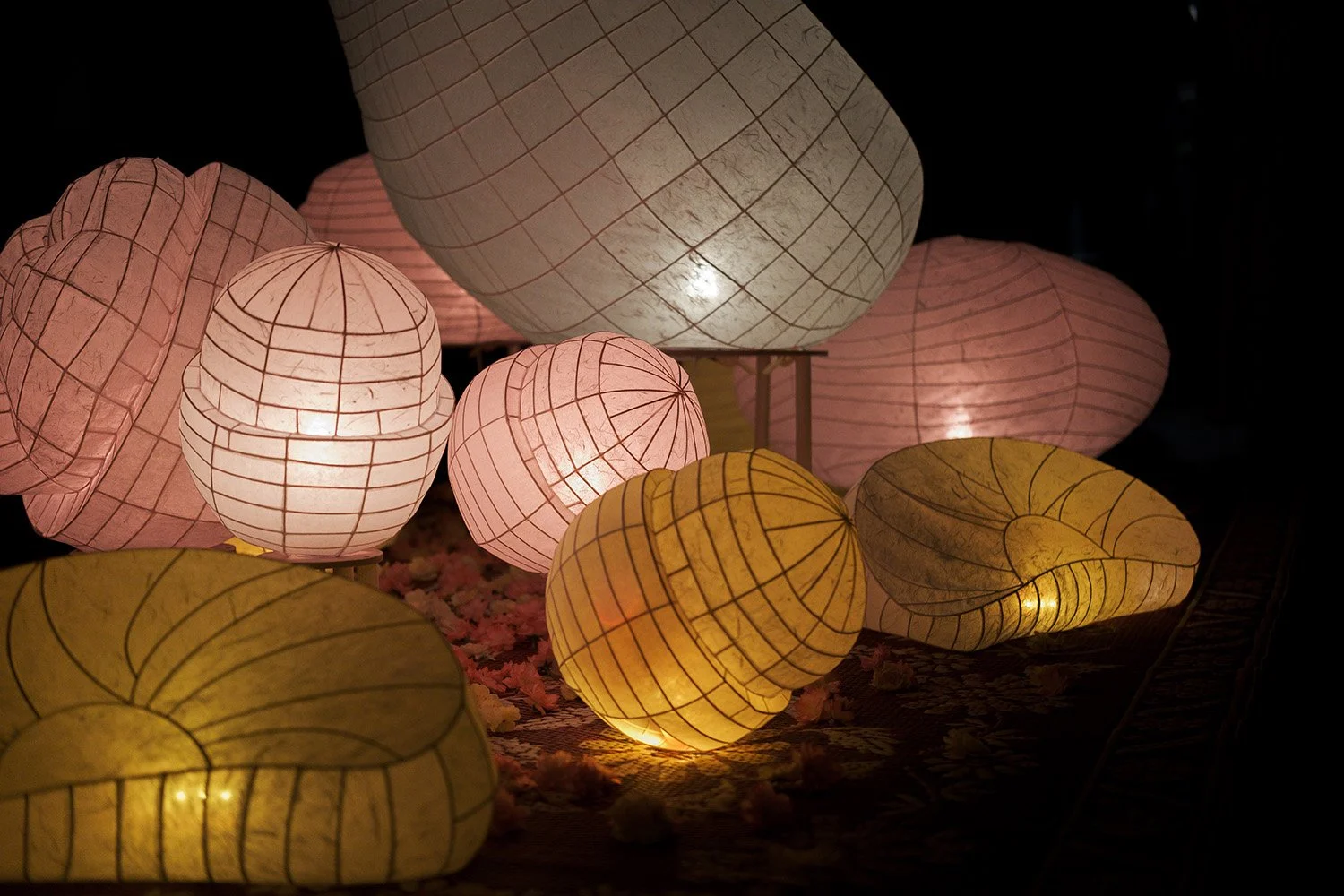
The I Bear the Fruit of My Ancestors series started as a site-specific, three-part immersive installation shown in 2024, funded by the Artists Creative Fund grant. The lantern sculptures, ranging from 1 to 4 feet tall, take the shapes of lychees, pears, mandarin slices, persimmons, and mangosteens. Crafted from wooden reed and rice paper, these delicate forms embodied both fragility and resilience. At the heart of the installation stood a custom-built ancestral altar, measuring approximately 55” x 55” x 28” and adorned with butterfly and lotus appliqués: symbols of transformation, devotion, and spiritual connection. The altar featured a carefully arranged offering of fruits, incense, and other ritual objects, creating a space for communion.
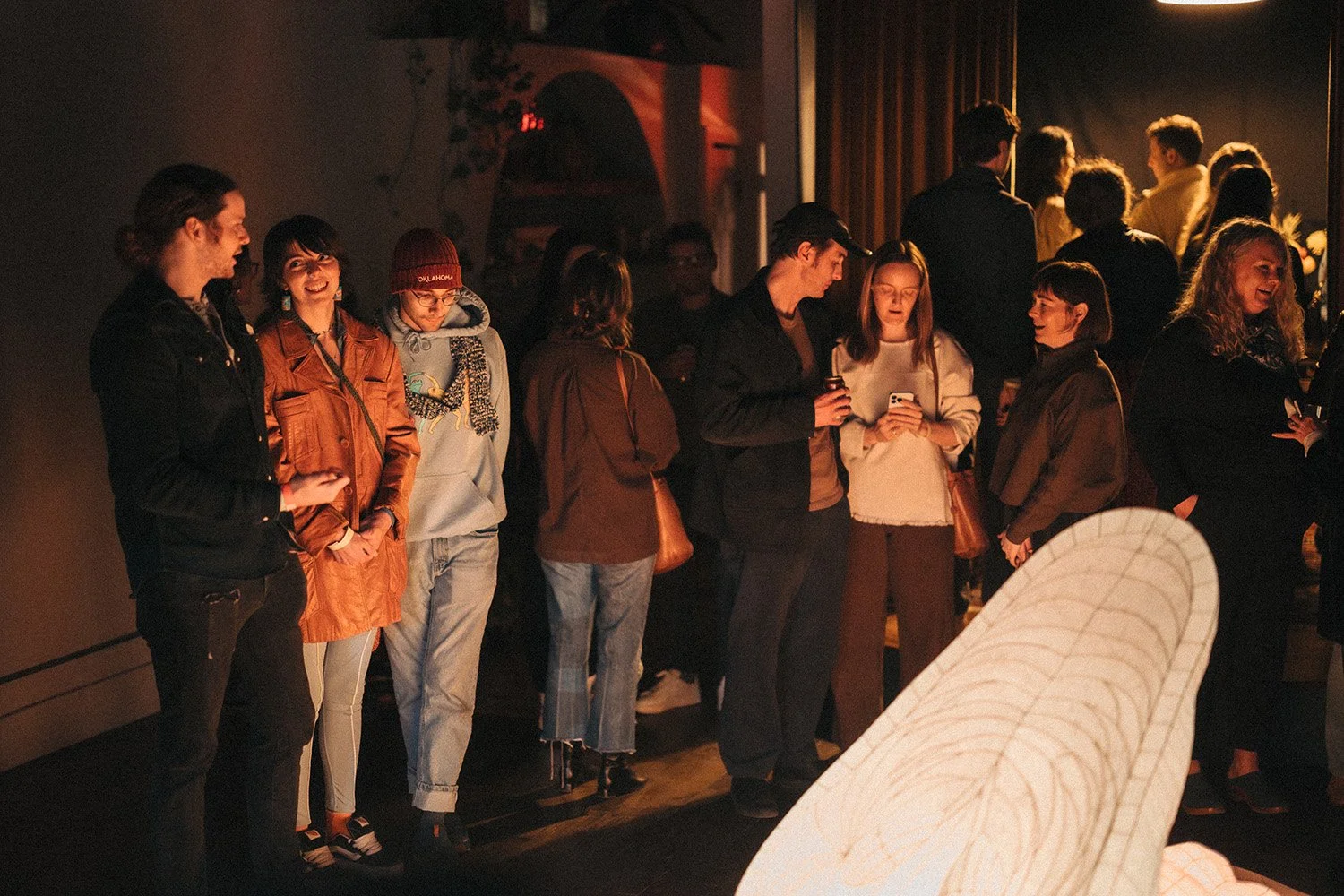
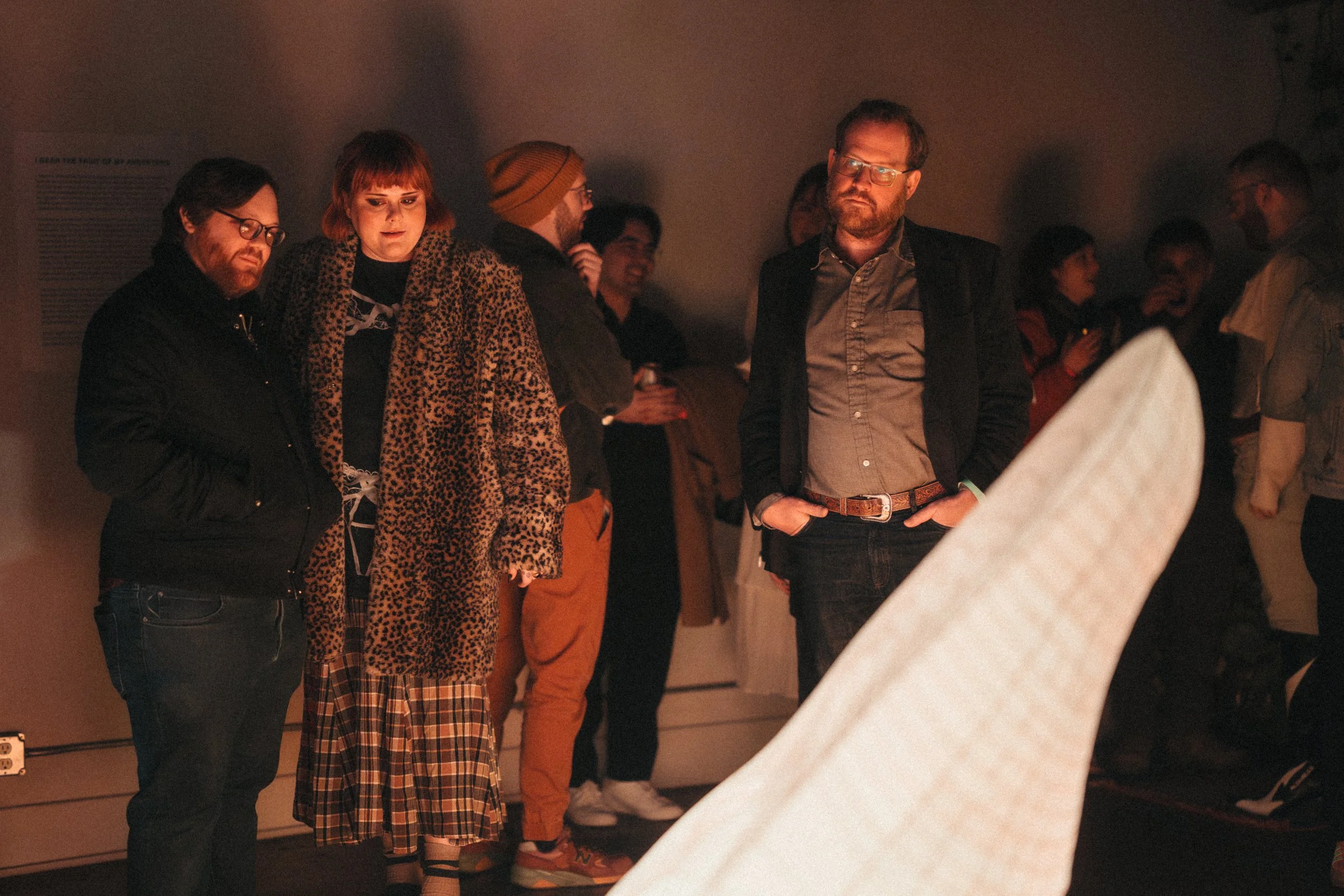
“A dimly lit space permeated with the smell of burning incense greeted visitors, many of whom waited in line before the doors opened, to Tulsa artist Dan Lynh Pham’s “I Bear the Fruit of My Ancestors.” The three-part show was a journey between the symbolic and the literal, exploring Vietnamese ancestral worship, a cultural custom that has endured generations — beyond any specific religion, beyond colonization, and then across the world into the homes and gathering spaces of Vietnamese immigrants and refugees.
The first installation in the show took up most of the main space at Belafonte: a jumble of glowing, oversized paper lanterns in the shape of cut fruits arranged over a rug. The pear, persimmons, lychee, mandarins, and mangosteen were beautiful and delicate in their own right, while also imbued with deep cultural resonance.
Having a plate of cut-up fruit placed in front of you in the home of an Asian person is as ubiquitous as a westerner’s offer of, “Can I get you something to drink?” Cut fruit has been an enduring theme in Pham’s work, with focus on the implications of the offer: not merely rote hospitality, but an act of service and of love, especially within the family…. Turning this small, common act of kindness into a glowing centerpiece brought its meaning front and center.
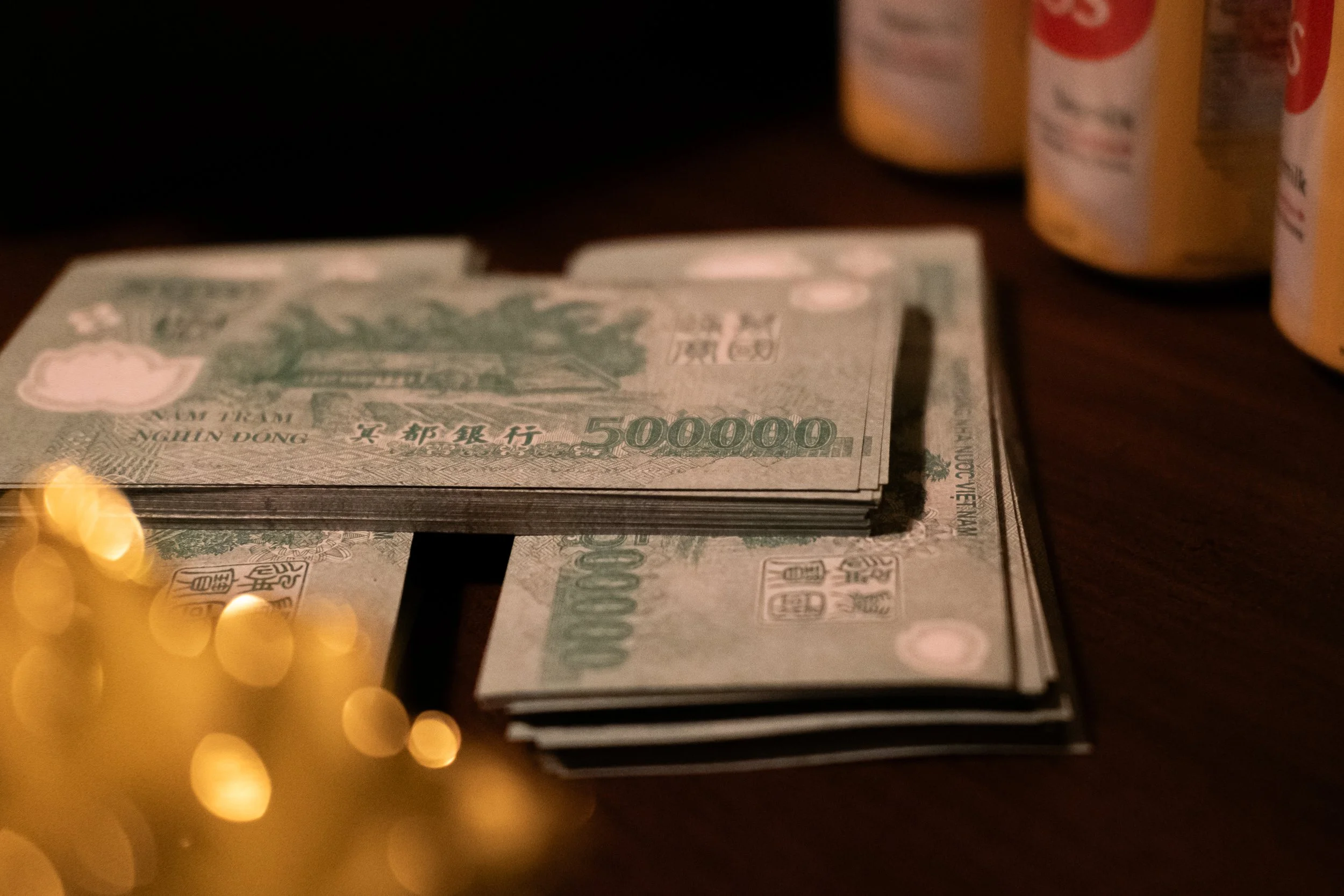
The second installation was presented on Belafonte’s diminutive stage. The Vietnamese ancestral altar is a sacred space created in Vietnamese homes to honor ancestors and keep present the connection between the living and the departed, the past and the future. While these fixtures are perpetual, the altar is also used as a gathering place on the death anniversary of a departed loved one. Pham’s altar — a gorgeous, handbuilt wooden table affixed with wooden butterflies — was a showpiece in itself, topped with family photos, burning incense, offerings of sustenance (fruit, soy milk) and wealth (joss paper gold bars), as well as candles and chrysanthemums. She shared the process of creating the table ahead of the show via social media, again inviting followers to take stock in the ritual and effort behind these traditions rather than just the beauty of the final product.
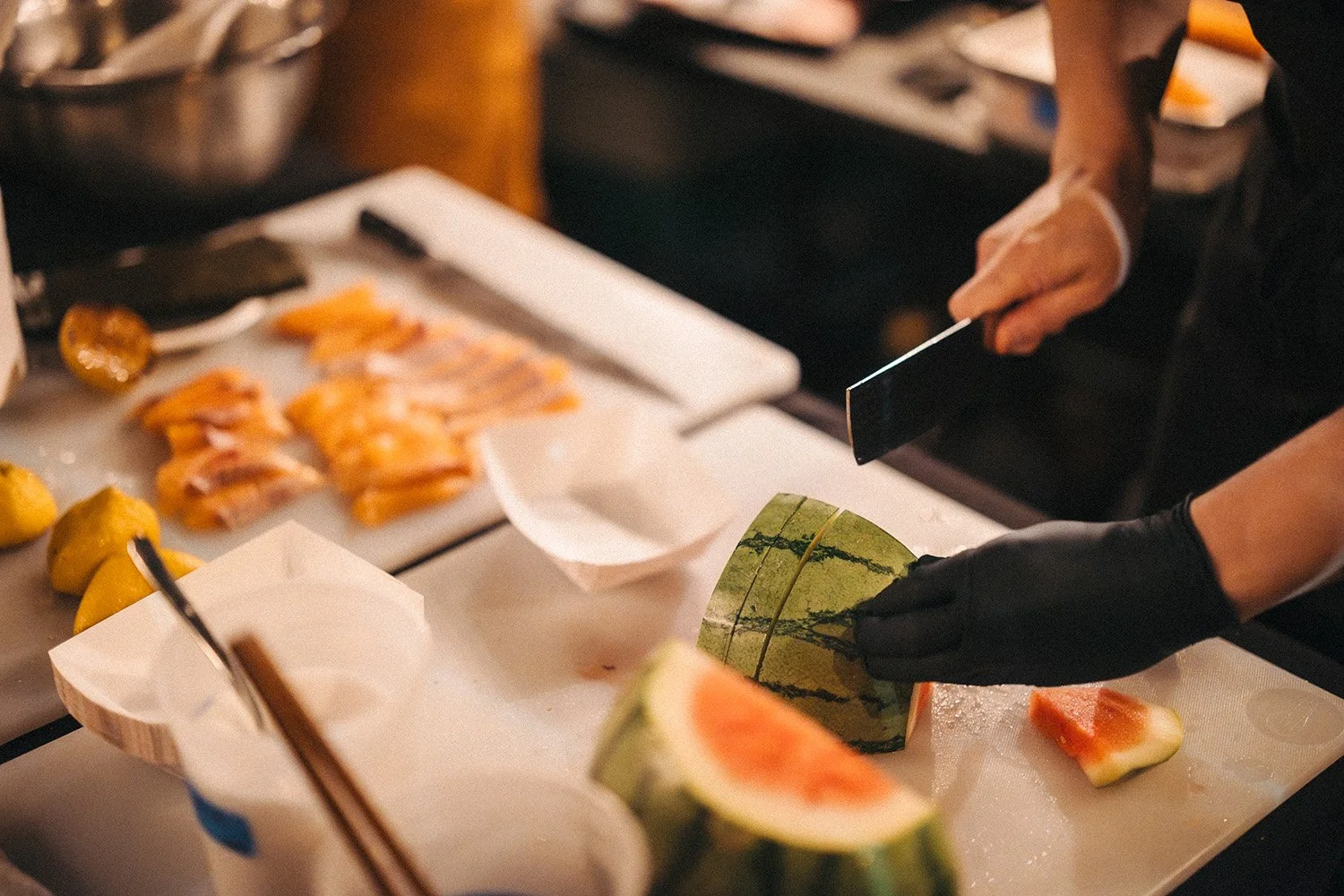
Tulsa chef collective et al. provided the final piece, giving visitors an opportunity to take in the artwork while also communing over food, a nod to sharing a meal on the anniversary of an ancestor’s death. Patrons on Belafonte’s back patio may have occasionally caught a whiff of steam from an open rice cooker, one of the definitive scents of an Asian household…[and] the final et al. menu item was two slices of watermelon dressed with sour sugar and pickled Fresno chiles — a plate of cut fruit meant to be shared.
The show was a warm act of tribute to tribute itself, and the staging felt like being invited into a home. The scale of Pham’s pieces emphasized the labor behind these commonplace cultural practices, giving the stage — literally — to the gravity behind ritual practices. As ephemeral as a plate of cut fruit, the show, as of this writing, was one-night-only.” - A review by Becky Carman
I Bear the Fruit of My Ancestors has continued to grow and take on new forms and iterations.